
Choosing the right Water Monitoring Sensors starts with a clear understanding of your monitoring objectives. Every facility, whether it manages drinking water, industrial wastewater, or environmental monitoring programs, has unique requirements. At Leadmed Technology, we offer a comprehensive range of high-precision water quality sensors that simplify selection and ensure accurate, reliable measurements across multiple applications. A well-planned sensor strategy not only ensures regulatory compliance but also optimizes operational efficiency, reduces risks, and supports long-term environmental stewardship. Investing in the right sensors upfront can save operational costs, prevent regulatory penalties, and improve public confidence in water quality management.
Before selecting sensors, clarify the specific water source or process you intend to monitor. Consider whether your system focuses on:
Drinking water: Ensuring potability, safe disinfectant levels, and microbial control.
Wastewater treatment: Monitoring nutrient loads, chemical oxygen demand, and effluent quality.
Environmental monitoring: Tracking rivers, lakes, or groundwater quality for ecosystem health.
Industrial process control: Maintaining chemical balance, temperature, and conductivity to optimize production efficiency.
Understanding the water type helps narrow down sensor options and ensures that your monitoring system aligns with your operational priorities. Additionally, defining clear goals allows you to select sensors capable of generating actionable data, which is crucial for both compliance reporting and operational decision-making.
Accuracy requirements differ depending on regulatory standards, process criticality, and safety concerns. Additionally, you must define:
Reporting frequency: Whether continuous, hourly, or daily measurements are needed.
Decision triggers: What conditions will prompt alerts, interventions, or regulatory reporting.
Tolerance levels: Specify acceptable ranges for each parameter to ensure sensors can reliably detect deviations.
Clear goals at this stage form the foundation for a sensor selection strategy, ensuring your investment delivers meaningful insights and supports compliance. Precise measurements combined with timely notifications empower teams to act proactively, reducing operational risks.
Water Monitoring Sensors employ various measurement principles to capture specific parameters:
Electrochemical sensors: Measure pH and ORP (oxidation-reduction potential), critical for chemical treatment and disinfection control.
Optical sensors: Used for turbidity and total suspended solids (TSS) detection, helping assess water clarity and particulate content.
Electroconductive (EC) probes: Determine ionic concentration and salinity.
Dissolved oxygen (DO) probes: Essential for biological treatment and environmental monitoring.
Ion-selective electrodes: Detect specific ions such as ammonia, nitrate, or chloride, vital for process control or wastewater compliance.
Understanding the measurement principle and application ensures you select the most suitable sensor for your monitoring goals. Sensors with high accuracy, stability, and resistance to interference provide confidence that data will remain valid over extended monitoring periods.
Multi-parameter sondes consolidate multiple sensors into a single probe, enabling simultaneous measurement of pH, DO, turbidity, and other parameters. These are ideal for comprehensive monitoring in water treatment plants or environmental programs.
Single-parameter inline sensors provide highly specialized measurements for critical parameters and are often used in industrial processes or where extreme accuracy is required. Combining multi-parameter sondes with single-parameter sensors allows facilities to balance cost, installation complexity, and precision. Leadmed Technology offers both configurations, enabling fully customized monitoring networks tailored to operational needs.
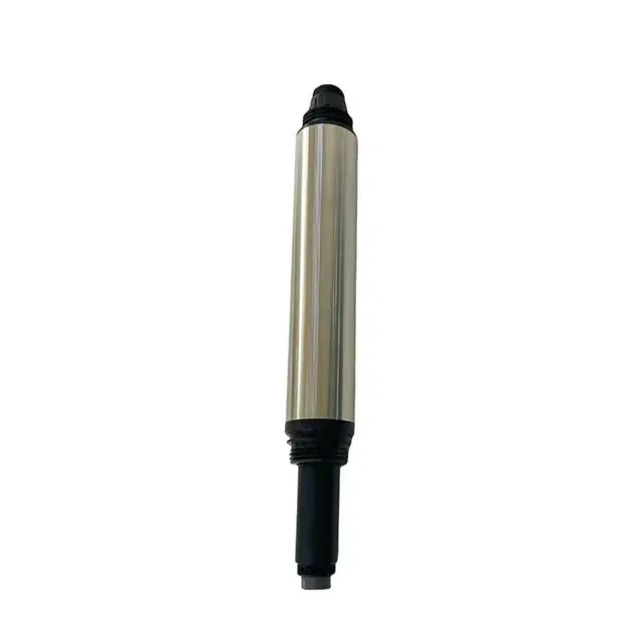
Sensor performance is influenced by installation and environmental conditions. Common mounting types include:
Immersion: Suitable for continuous monitoring in tanks, rivers, or lakes.
Inline: Integrated into pipelines for process control or treatment facilities.
Insertion: Flexible placement into channels or open water systems.
Environmental factors such as corrosive chemicals, high temperatures, and fouling potential must be considered. Selecting sensors designed for specific environmental challenges ensures long-term stability and reduces the need for frequent maintenance.
Ensure sensors meet required IP ratings to prevent water or dust ingress. Materials compatibility is crucial when measuring aggressive or high-chloride waters. Additionally, cable length, connector types, and mounting hardware should match installation requirements. Leadmed Technology sensors feature industrial-grade construction, corrosion-resistant materials, and flexible connection options, making them suitable for a wide range of field conditions. Properly addressing environmental and installation considerations also enhances sensor longevity and measurement reliability.
Modern monitoring systems require reliable data management and connectivity. Options include:
On-site loggers: Store measurements locally for offline access or periodic download.
Cloud/IoT platforms: Enable remote monitoring, data visualization, and real-time alerts via APIs.
Frequency of data uploads and supported protocols (e.g., Modbus, LoRa, NB-IoT) should align with operational needs, ensuring seamless integration into existing SCADA or environmental management systems. Cloud-connected sensors also facilitate remote troubleshooting, predictive maintenance, and collaborative decision-making.
Sensors equipped with edge-processing capabilities can analyze data locally, reducing transmission load and providing instant alerts. Automatic compensation features adjust readings for temperature, conductivity, or fouling effects, ensuring accuracy even in dynamic or harsh environments. These intelligent features reduce maintenance requirements, prevent false alarms, and support continuous compliance monitoring across multiple sites.
Even advanced sensors require routine upkeep to maintain performance. Typical tasks include:
Cleaning probes to prevent fouling.
Performing calibration checks at recommended intervals.
Replacing sensor elements according to usage and environmental conditions.
Checking cable connections and verifying data transmission reliability.
Structured maintenance plans extend sensor life, ensure data integrity, and avoid unexpected downtime, contributing to both operational efficiency and regulatory compliance.
Selecting a supplier with robust technical support, readily available spare parts, and warranty coverage simplifies ongoing operation. Leadmed Technology provides comprehensive after-sales support, ensuring operators can maintain optimal performance, resolve issues quickly, and keep monitoring programs running smoothly. Reliable vendor backing is especially critical for facilities with complex sensor networks or remote monitoring sites.
To simplify the selection process, consider these practical guidelines:
High-fouling environments: Choose sensors with anti-fouling features or automatic cleaning capabilities.
Remote monitoring sites: Opt for low-power communication options with cloud connectivity.
Multi-parameter requirements: Select sondes capable of measuring several parameters simultaneously to reduce installation complexity.
Critical single parameters: Use high-precision, dedicated inline sensors to ensure compliance and operational accuracy.
Corrosive or extreme temperature conditions: Select sensors with resistant materials and automatic compensation capabilities.
Mapping monitoring goals, environmental conditions, and connectivity requirements to specific sensor features allows operators to make confident, informed purchasing decisions and maintain audit-ready data for regulatory purposes.
Choosing the right Water Monitoring Sensors is critical for ensuring water safety, operational efficiency, and regulatory compliance. Leadmed Technology provides a full range of high-quality sensors, from multi-parameter sondes to single-parameter inline probes, built to perform reliably in diverse environmental conditions. By carefully defining monitoring goals, evaluating sensor types, considering environmental and installation factors, and planning routine maintenance, organizations can implement optimized, continuous water monitoring systems. For more information or to explore customized solutions, contact us to discuss how our sensors can meet your specific monitoring and compliance needs.
