
Views: 0 Author: Site Editor Publish Time: 2025-12-13 Origin: Site

Chemical Oxygen Demand (COD) sensors are essential tools for accurately measuring the amount of oxygen required to oxidize organic pollutants in water. This measurement is critical in wastewater treatment processes because it helps assess the organic load in the water, which is an indicator of the pollution levels. COD sensors are used across a wide variety of industries, including wastewater treatment plants, chemical processing, manufacturing, and environmental monitoring, to ensure the discharge water meets environmental standards.
The role of COD sensors in wastewater management cannot be overstated. By providing real-time monitoring, they enable operators to track water quality continuously, ensuring compliance with regulatory standards, improving the efficiency of treatment processes, and minimizing the environmental impact of wastewater. However, achieving accurate and sensitive readings from a COD sensor is crucial for reliable data, and it requires the right approach to calibration, maintenance, installation, and reagent selection.
Accuracy and sensitivity in COD sensors are paramount. Accurate readings allow industries to make timely decisions that help optimize their wastewater treatment processes. Sensitive sensors can detect even slight changes in organic matter levels, providing a higher resolution of the water quality. This is particularly important for industries where wastewater characteristics may fluctuate rapidly or where compliance with stringent regulations is required. Poorly calibrated or insensitive sensors can lead to incorrect treatment decisions, possibly resulting in the release of untreated or improperly treated water, which can lead to significant regulatory penalties and environmental harm.
Inaccurate data may also result in unnecessary chemical usage, which can increase costs. Therefore, ensuring that COD sensors provide both accurate and sensitive readings helps improve operational efficiency, reduce costs, and maintain compliance with legal requirements.
Calibration is the process of aligning a sensor's readings with known, accurate standards. For COD sensors, calibration ensures that the sensor responds accurately to changes in the organic load in wastewater, which directly influences the measurement of COD. Without regular calibration, the sensor may drift and provide inaccurate readings, which can undermine the reliability of the entire water treatment process.
Proper calibration ensures that the sensor measures COD correctly, considering factors like temperature, sample composition, and other environmental variables that may influence the sensor’s output. Regular calibration is a preventive measure that helps to identify potential problems early, reducing the likelihood of malfunctions and ensuring optimal performance over the sensor's lifecycle.
Calibrating a COD sensor requires using reference solutions with known COD concentrations. These solutions act as standards to ensure the sensor’s readings are accurate. Calibration should be performed according to the manufacturer's instructions, which may vary depending on the specific type of sensor. The process typically involves adjusting the sensor's response to match the known COD value of the reference solution.
Step | Action |
1. Prepare Calibration Standards | Use reference solutions with known COD values. These solutions should closely match the expected range of the samples being tested. |
2. Set Calibration Parameters | Input the required calibration settings into the sensor’s system. This may include temperature settings, measurement range, and the specific reference solution. |
3. Conduct Calibration | Apply the reference solution to the sensor and adjust the sensor's readings to match the known value. |
4. Verify Accuracy | After calibration, test the sensor with another standard solution to verify accuracy. |
It is essential to calibrate COD sensors regularly to maintain their accuracy over time. While the frequency of calibration can depend on the specific use case and environmental conditions, it is typically recommended to calibrate the sensor every 3 to 6 months. If the sensor is exposed to extreme conditions or undergoes heavy use, calibration may be required more often. In addition, calibration should be performed after any significant maintenance or if the sensor is exposed to a new set of environmental conditions that may affect its performance.
Fouling, the accumulation of organic matter, biofilm, or inorganic particles on the sensor surface, is one of the most common causes of inaccurate readings in COD sensors. Over time, fouling can block the sensor’s ability to properly measure the UV absorption of organic compounds, leading to reduced sensitivity and incorrect data. Even small amounts of fouling can significantly affect sensor performance, particularly in environments with high turbidity or organic content.
Therefore, regular cleaning of the sensor is necessary to ensure it remains free of contaminants that could impair its performance. By removing accumulated matter, cleaning helps to restore the sensor’s full functionality and maintain its sensitivity, ensuring that it can accurately measure the COD in wastewater.
Maintenance Task | Frequency | Action |
Clean the Sensor | Every 1-2 weeks | Use a mild cleaning solution and soft cloth. Avoid using harsh chemicals or abrasive materials that could damage the sensor. |
Check for Fouling | Every month or after heavy use | Inspect the sensor for signs of fouling or accumulation of debris and clean it as necessary. |
Inspect for Physical Damage | Quarterly | Check for cracks, broken parts, or corrosion that could affect sensor performance. Replace any damaged parts immediately. |
Verify Sensor Calibration | Every 3-6 months | Perform a calibration check to ensure the sensor’s accuracy and sensitivity are maintained. |
Regular cleaning should involve using appropriate cleaning solutions, such as mild detergents, and soft materials like cloths or brushes to prevent damaging the sensor’s surface. Harsh chemicals or abrasive materials can scratch the sensor and reduce its lifespan.
The reagents used in the COD testing process directly affect the sensor’s performance. Low-quality reagents can introduce impurities or cause interference, leading to inaccurate readings and reduced sensitivity. These reagents might not fully react with the organic compounds in the sample, causing the sensor to give a lower-than-actual COD value.
To ensure accurate measurements and maintain high sensitivity, it is crucial to use high-quality, well-matched reagents that are compatible with the COD sensor. Using superior reagents also helps to minimize the risk of sensor fouling or damage caused by impurities in low-quality chemicals.
When selecting reagents for COD testing, always refer to the sensor manufacturer’s recommendations. Reagents should be specifically formulated for use with the sensor and should match the type of wastewater being monitored. Choosing high-quality reagents ensures that the sensor provides precise readings and prolongs the lifespan of the sensor.
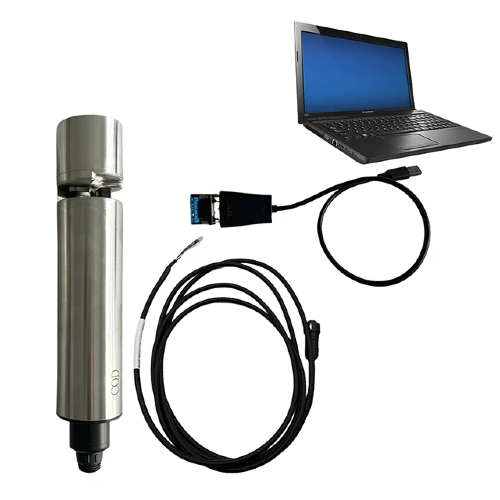
Correct sensor placement plays a crucial role in the accuracy and sensitivity of the readings. COD sensors should be installed in locations where the flow of water is consistent and steady. Placement in areas with high turbulence or variable temperature can cause fluctuations in the sensor's readings, leading to inaccurate data. The sensor should be positioned so that it is fully submerged in the water sample without being affected by surface agitation or air bubbles.
Installation Consideration | Ideal Placement | Reason |
Avoiding Turbulence | Install the sensor in an area with steady, laminar flow | Turbulence can cause inconsistent readings and hinder accurate COD measurement. |
Temperature Stability | Avoid placing near heat sources or cooling areas | Extreme temperatures can skew sensor readings and affect sensitivity. |
Proper Depth | Place the sensor in the main flow stream | Ensures consistent and accurate readings by fully submerging the sensor. |
Ensuring correct installation is crucial for maintaining sensor performance. Improper installation, such as poor alignment or incorrect attachment to the flow system, can result in faulty data. Follow the manufacturer's guidelines carefully, and make sure the sensor is securely positioned. If possible, consult with an installation expert to ensure the sensor is installed at the optimal location.
Certified reference materials (CRMs) are essential for ensuring accurate calibration. These materials have precisely known COD values and are used to check the sensor's accuracy during calibration. Regular use of standardized samples ensures that the sensor maintains consistency and accuracy over time, even when exposed to varying environmental conditions.
To maintain consistent calibration, always use standardized samples that closely reflect the type of wastewater being monitored. This helps avoid calibration errors that could arise from discrepancies between the sample's composition and the reference material used for calibration. When using standardized samples, follow the same procedures each time to ensure that the calibration process remains consistent.
Maintaining the accuracy and sensitivity of your COD sensor is crucial for effective wastewater management and ensuring compliance with environmental regulations. By following the five essential tips outlined in this article—proper calibration, regular cleaning and maintenance, using high-quality reagents, correct installation, and the use of standardized samples for calibration—you can significantly improve your sensor’s performance. These practices help optimize operational efficiency, reduce errors, and prevent costly mistakes, ensuring that your wastewater treatment processes are both efficient and compliant with regulatory standards.
At Beijing Leadmed Technology Co., Ltd., we specialize in providing high-quality, reliable COD sensors designed to meet the demanding needs of industries worldwide. Our sensors are engineered to deliver precise and consistent readings, helping you stay ahead of compliance requirements while optimizing wastewater treatment. By incorporating our advanced COD sensors into your operations, you can achieve greater sustainability, improve operational efficiency, and lower long-term costs. Contact us today to learn more about our solutions and how we can support your wastewater management needs.
Calibration frequency depends on the sensor's usage and environmental conditions. However, it is generally recommended to calibrate every 3-6 months or after significant changes in the operating environment.
Inaccurate readings can be caused by fouling, poor-quality reagents, improper installation, or physical damage to the sensor.
Yes, environmental factors such as temperature fluctuations, water turbulence, and variations in pH levels can impact the sensor’s accuracy and sensitivity.
Regularly clean your sensor with a mild cleaning solution and soft cloth. Avoid abrasive materials or harsh chemicals that could damage the sensor’s surface.
Standardized samples ensure that the sensor is accurately calibrated against known COD values, providing reliable and consistent measurements over time.


