
Views: 0 Author: Site Editor Publish Time: 2025-12-09 Origin: Site

Are you sure that your TDS meter measures salinity accurately? Many people assume that TDS meters are reliable tools for salinity measurements, but they are not designed for that purpose. In this article, we’ll explore whether TDS meters can accurately measure salinity and how a salinity sensor provides more precise results. You will learn about the differences between TDS and salinity, and when to use each tool for your water quality needs.
Total Dissolved Solids (TDS) meters are often used in water quality analysis due to their ease of use and affordability. These devices measure the electrical conductivity of water, which is influenced by the presence of charged particles such as salts, minerals, and organic compounds. When ions dissolve in water, they increase its ability to conduct electricity, and this conductivity is what a TDS meter detects.
However, while a TDS meter can detect the presence of ions in water, it does not provide any specifics about the types of ions present. This is a key limitation in measuring salinity. Salinity specifically refers to the concentration of dissolved salts (primarily sodium chloride), whereas TDS readings encompass all types of dissolved solids, including beneficial minerals, heavy metals, and organic contaminants.
Most TDS meters estimate the total solids based on electrical conductivity, often displayed as parts per million (ppm) or milligrams per liter (mg/L). These readings offer a general picture of the water's overall composition but fail to give detailed information about the individual components that contribute to the total dissolved solids.
Tip: For general water quality monitoring, a TDS meter is sufficient, but it’s important to remember it cannot provide detailed data on specific ions like those that influence salinity.
TDS meters measure a broad range of dissolved solids, including a variety of ions and substances. These include:
| Type of Solids | Examples |
|---|---|
| Salts | Sodium chloride (NaCl), Magnesium sulfate (MgSO₄), Potassium chloride (KCl) |
| Minerals | Calcium (Ca), Magnesium (Mg), Iron (Fe) |
| Heavy Metals | Lead (Pb), Arsenic (As), Mercury (Hg) |
| Organic Compounds | Oils, Pesticides, Sewage |
Although TDS meters provide a comprehensive view of dissolved solids, they are not effective at distinguishing between harmful substances (like heavy metals or pesticides) and beneficial minerals (like calcium or magnesium). For a full understanding of water quality, specialized testing is required to identify the specific dissolved solids.
Salinity specifically refers to the concentration of dissolved salts in water. It is typically expressed in practical salinity units (PSU), parts per thousand (ppt), or grams per kilogram (g/kg). The primary ions that contribute to salinity are sodium chloride (NaCl), but other salts like magnesium sulfate, potassium chloride, and calcium carbonate also play a role.
The salinity of seawater is typically around 35 PSU, though it can vary depending on environmental factors such as rainfall and evaporation. Salinity plays a crucial role in marine life, as various species have adapted to thrive within specific salinity ranges. For instance, certain fish species can only survive in freshwater or saltwater environments, while others, like euryhaline species, can tolerate a wide range of salinity levels.
The key difference between TDS and salinity lies in the method of measurement. While both rely on conductivity as a basis, salinity sensors are specifically designed to measure the concentration of salts in water. They use more complex calculations that account for the specific ionic composition of the water, making them far more accurate for measuring salinity than TDS meters.
TDS meters, on the other hand, measure all dissolved solids in water, which includes salts, minerals, metals, and other substances. As a result, TDS readings cannot accurately reflect the concentration of salts alone, which is critical for applications like marine biology or aquaculture where precise salinity control is necessary.
Salinity measurements are typically reported in Practical Salinity Units (PSU), which are based on the conductivity of seawater, while TDS meters report results in parts per million (ppm), a unit that can be misleading when it comes to assessing salt content alone.
Tip: If accurate salinity measurement is required for applications such as marine studies or aquarium management, using a dedicated salinity sensor is more effective than relying on TDS meters.
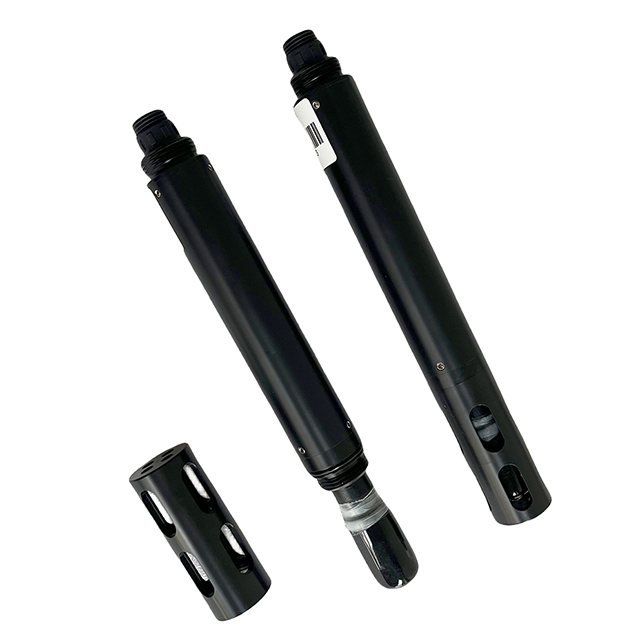
Conductivity is a direct measure of water’s ability to conduct electricity, which increases with the presence of dissolved ions. The more ions present in the water, the higher the conductivity. Since salts dissociate into positively and negatively charged ions in water, the conductivity of water increases with the concentration of dissolved salts. This is why conductivity is often used as a proxy for salinity.
When a conductivity meter or a salinity sensor measures conductivity, it is essentially measuring the concentration of ions, which provides a good estimate of the salinity in seawater. However, in freshwater or brackish water environments, the relationship between conductivity and salinity is less direct because other ions may also influence conductivity without contributing significantly to salinity.
Although TDS meters measure conductivity, they cannot specifically differentiate between different types of dissolved solids. TDS readings are based on the total ionic content of water, which may include not only salts but also other substances like minerals and pollutants. This is a significant drawback when the goal is to measure salinity accurately.
In marine environments, where salt ions dominate, TDS meters may provide a general indication of salinity, but they will not distinguish between salt content and other dissolved solids. In freshwater, where dissolved minerals might be present in higher concentrations than salts, TDS meters will not give an accurate reflection of salinity levels.
For these reasons, TDS meters are unsuitable for precise salinity measurements, especially in applications that require fine control over salt concentrations.
A salinity sensor is a specialized device designed to measure the concentration of dissolved salts in water with high accuracy. Unlike TDS meters, which measure the total dissolved solids, salinity sensors focus specifically on the salts, most notably sodium chloride, and other relevant ions.
Salinity sensors use principles of conductivity, similar to TDS meters, but they are calibrated to provide more accurate readings of salt concentrations. They are widely used in marine biology, aquaculture, and environmental monitoring, where precise control of salinity is crucial for the health of aquatic life.
Salinity sensors offer several advantages over TDS meters, especially when accurate salt concentration measurements are needed:
Accuracy: Salinity sensors are designed to focus on the specific salts that affect salinity levels, making them far more accurate than TDS meters for this purpose.
Precision: They provide precise measurements of salt concentration, which is essential for sensitive environments like aquariums or research involving marine organisms.
Direct Measurement: While TDS meters give an overall estimate of dissolved solids, salinity sensors directly measure the concentration of salts, ensuring a more relevant and reliable result.
Salinity sensors are essential in industries that require strict salinity management, such as aquaculture, marine biology, and environmental research, where salt concentrations directly impact the health of organisms or the integrity of ecological systems.
TDS meters are a great tool for general water quality monitoring. They are quick and easy to use, making them ideal for assessing overall dissolved solids in water. For example, TDS meters are commonly used to check for hardness in water, which is important for preventing scale buildup in pipes and appliances. TDS readings can also help monitor the performance of water filtration systems and determine whether a water softener or conditioner is necessary.
However, TDS meters are not suitable for applications where precise salinity control is needed. They are best used in general water quality assessments rather than for determining specific salt concentrations in environments where salinity needs to be carefully regulated.
A salinity sensor is the better choice when precise salt concentration measurements are required. In marine environments, aquariums, and research settings, where small variations in salinity can have significant effects, a salinity sensor will provide the necessary accuracy.
For example, in aquaculture, maintaining the correct salinity levels is critical to the health of fish and other marine organisms. In such cases, using a salinity sensor ensures that the water conditions are optimal for the species being cultured.
TDS meters are useful for assessing water quality and dissolved solids. However, they are not accurate for measuring salinity. Salinity, which measures dissolved salts, requires a dedicated salinity sensor. TDS meters may indicate dissolved solids, but they lack the precision needed for salinity-focused applications. For environments like aquariums, marine research, or aquaculture, a salinity sensor is crucial for accurate measurements. Leadmed Technology offers advanced salinity sensors that ensure precise salt concentration control, delivering high value for industries that rely on accurate water quality monitoring.
A: No, TDS meters measure total dissolved solids, including salts and other substances. To accurately measure salinity, a dedicated salinity sensor is required.
A: A TDS meter works by measuring the electrical conductivity of water, which increases with the presence of dissolved ions, including salts.
A: A salinity sensor is specifically designed to measure dissolved salts, providing precise salinity readings, unlike TDS meters that measure all dissolved solids.
A: TDS refers to all dissolved solids in water, while salinity measures just the dissolved salts. A salinity sensor is the best tool for accurate salinity readings.
A: While TDS meters can measure dissolved solids, a salinity sensor is more effective for controlling the precise salt levels needed in aquaculture.


