

Are you measuring the pH of your solutions accurately? pH sensors are essential tools across various industries, from water treatment to food safety. They provide reliable measurements that help ensure quality and safety.
In this guide, you will learn how to effectively use a pH sensor, including the preparation, calibration, and proper measurement techniques. We'll also explore maintenance tips for long-lasting accuracy. Leadmed offers high-precision pH sensors, ideal for continuous monitoring in diverse applications.
The pH scale measures the concentration of hydrogen ions (H⁺) in a solution, determining how acidic or alkaline it is. The scale ranges from 0 to 14:
pH Range | Solution Type | Example |
0-6 | Acidic | Lemon juice, battery acid |
7 | Neutral | Pure water |
8-14 | Alkaline or Basic | Baking soda, soap |
Each unit change on the pH scale represents a tenfold difference in acidity or alkalinity. For example, a solution with a pH of 3 is ten times more acidic than one with a pH of 4.
A pH sensor is a specialized device that measures the pH level of a solution. It consists of a glass electrode that interacts with hydrogen ions in the solution. The sensor generates an electrical signal that is converted into a pH value, displayed on a digital screen. Leadmed provides high-precision pH sensors that integrate temperature measurement capabilities, offering enhanced performance for accurate pH readings in water environments.
A pH sensor operates based on the principle of ion exchange, which occurs within the sensor's glass electrode. Here’s a breakdown of how it works:
● Ion Exchange: The glass electrode contains a membrane that reacts selectively with hydrogen ions in the solution.
● Electrical Voltage Generation: As the sensor is immersed in a solution, hydrogen ions from the liquid interact with the membrane, producing a small electrical voltage.
● Voltage Measurement: The sensor's internal electronics measure this voltage.
● Conversion to pH Reading: The electrical voltage is then converted into a pH value, displayed on the sensor’s screen.
● Real-time Measurements: The sensor continuously detects changes in ion concentration, providing instant, real-time pH readings.
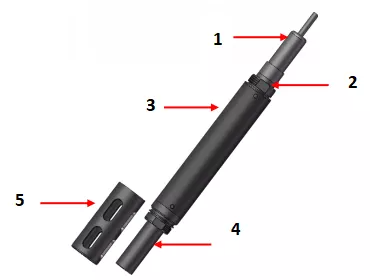
Proper cleaning is essential to ensure accurate readings and prevent contamination between tests. Before using your pH sensor, rinse the electrode tip with clean, distilled water. This removes any residues that may affect the measurement. Additionally, if you're switching between different samples, make sure to rinse the probe between uses.
Calibrating your pH sensor ensures that it provides accurate readings. This step involves using standard buffer solutions with known pH values. Calibration typically involves using at least two buffer solutions—pH 7 (neutral), and pH 4 or 10 (acidic or alkaline). Leadmed pH sensors offer easy calibration features that help ensure precision for critical applications.
It’s recommended to calibrate your pH sensor regularly, especially if you notice inaccurate readings or after extended use. Calibration helps account for minor sensor drift and ensures the highest accuracy.
Calibration Solution | pH Value | Purpose |
Buffer Solution 1 | pH 7 | Neutral calibration |
Buffer Solution 2 | pH 4 or 10 | Acidic/Alkaline calibration |
It’s crucial to calibrate your sensor regularly, especially after extended use or when you notice inaccurate readings.
To begin measuring, immerse the sensor's glass electrode into the solution you're testing. Ensure that the glass bulb is fully submerged in the liquid, but avoid letting the electrode touch the sides of the container, as this could affect the accuracy of the reading.
Once the sensor is immersed, wait for the reading to stabilize. This may take 8-10 seconds. During this time, the sensor is measuring the concentration of hydrogen ions in the solution. Be patient and ensure the reading has fully stabilized before recording the pH value.
After the reading stabilizes, record the pH value displayed on the meter. It’s important to note that pH is temperature-dependent, meaning that the pH can vary depending on the temperature of the solution. Some pH sensors, including those from Leadmed, are equipped with automatic temperature compensation (ATC) to adjust for temperature variations and provide more accurate results.
Step | Action | Key Considerations |
Immersing the Sensor | Submerge the glass electrode fully | Avoid touching the sides of the container |
Waiting for Stability | Wait for 8-10 seconds to stabilize | Ensure the reading has fully stabilized |
Recording Results | Record the displayed pH value | Remember pH is temperature-dependent; ATC ensures accuracy |
By following these steps, you'll ensure accurate pH readings for your samples.
Basic pH sensors are ideal for general applications such as testing pool water, soil pH, or simple laboratory tasks. These sensors are user-friendly and typically provide quick, accurate results for less demanding tasks.
Industrial pH sensors are designed for more challenging environments. They are built to withstand high pressures, chemical exposure, and harsh conditions found in factories, wastewater treatment plants, and power plants. Leadmed offers industrial-grade pH sensors that are rugged and reliable for continuous monitoring in such settings.
Sensor Type | Application | Example Use Case |
Basic pH Sensors | General applications (e.g., pool water, soil) | Pool water testing, soil pH |
Industrial pH Sensors | Harsh environments (e.g., factories, power plants) | Wastewater treatment, industrial monitoring |
This table highlights the key differences between basic and industrial pH sensors, helping you choose the right sensor for your needs.
There are also specialized pH sensors for specific applications:
● Submersible pH Sensors: Designed for continuous in-water monitoring, these sensors are ideal for environmental monitoring in lakes, rivers, or aquaculture tanks.
● High-Temperature pH Sensors: Used in high-heat processes like food production or fermentation.
● Multi-Parameter pH Sensors: These sensors measure not only pH but also other parameters like temperature and dissolved oxygen, making them suitable for detailed water quality analysis.
Leadmed offers a wide range of specialized industrial pH sensors that ensure reliable monitoring in demanding conditions, from aquaculture to industrial wastewater treatment.
pH sensors provide near-instantaneous results, offering much faster measurements compared to traditional methods like pH test strips. This speed and precision are crucial for applications where time and accuracy are of the essence, such as in environmental monitoring or chemical processing.
While the initial cost of a pH sensor may be higher than purchasing test strips, sensors are a long-term investment. They provide reliable readings over time and reduce the need for continuous chemical reagents or disposable testing materials.
Many pH sensors, especially those offered by Leadmed, are equipped with features that allow for continuous monitoring. This is particularly useful in environments where pH levels need to be tracked in real-time, such as in water treatment facilities or research labs. Additionally, some sensors allow for data logging, ensuring that results are recorded and accessible for future analysis.
Benefit | Description |
Speed and Accuracy | Near-instantaneous results with high precision |
Cost-Effectiveness & Longevity | Long-term investment with fewer recurring costs |
Continuous Monitoring | Real-time tracking and data logging capabilities |
To ensure the long-term accuracy and functionality of your pH sensor, proper maintenance and storage are crucial. Here’s how you can care for your sensor:
● Regular Cleaning and Calibration: Routine cleaning helps maintain the sensor's performance. Always clean the probe thoroughly after each use and calibrate it regularly to ensure accurate readings, especially when used with different liquids or under varying conditions.
● Storing pH Sensors Correctly: Proper storage is vital to prevent damage. Store the electrode in a storage solution to keep it hydrated and never allow the glass tip to dry out, as this can compromise the sensor's functionality.
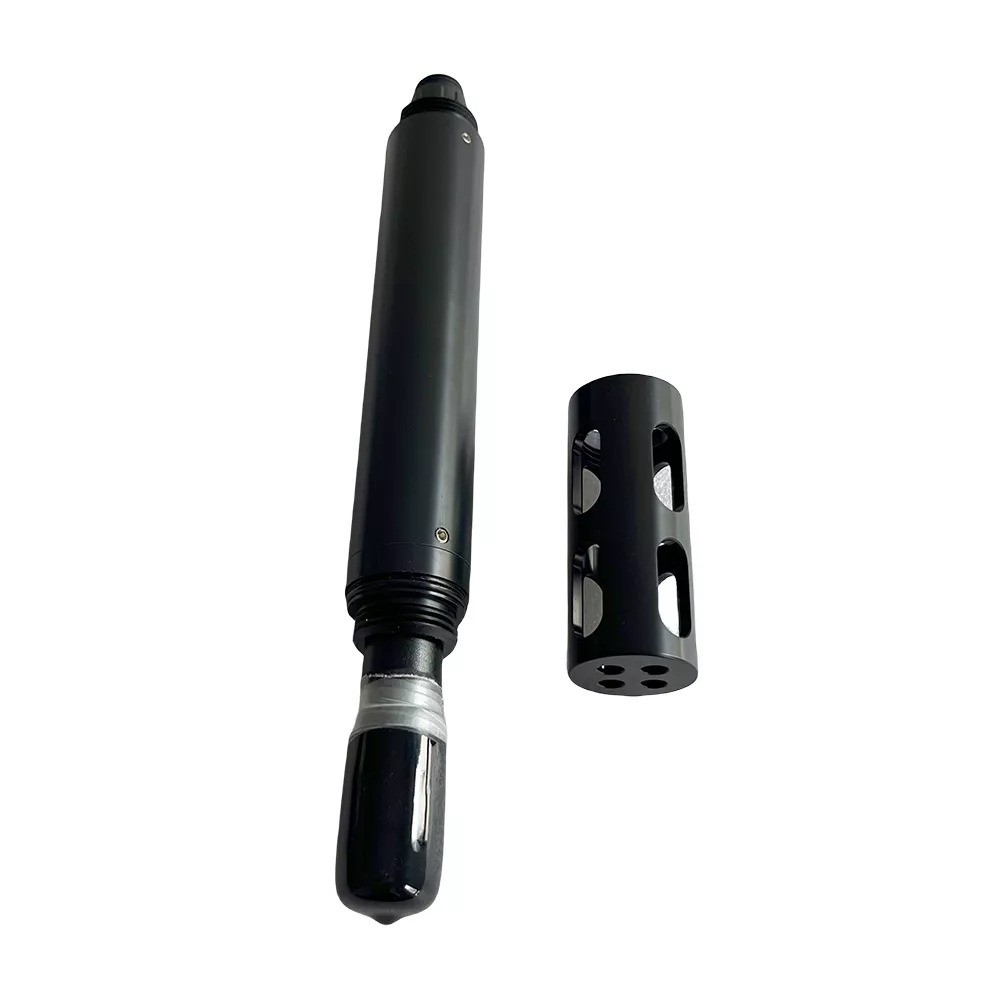
To ensure that your pH sensor continues to provide accurate readings and remains in optimal condition, it’s important to avoid these common mistakes:
Mistake | Consequence | Solution |
Not Calibrating Regularly | Skipping calibration can result in inaccurate readings and poor performance. It's crucial to calibrate your pH sensor before each set of measurements, especially when switching between different liquids or environments. | Always calibrate your sensor before each use, particularly when using it in different solutions or conditions. |
Ignoring Proper Maintenance | Failing to clean, calibrate, and store your pH sensor properly can lead to decreased accuracy and a shortened lifespan. Regular maintenance ensures consistent, reliable readings. | Clean the sensor thoroughly after each use, calibrate it regularly, and store it in a proper solution to keep it hydrated. |
This table highlights two critical mistakes and how to avoid them, helping you maintain the reliability and longevity of your pH sensor.
Using a pH sensor is a simple process that requires proper preparation, calibration, and maintenance. Whether testing water quality, soil, or industrial processes, understanding how to use a pH sensor is crucial for reliable results.
Beijing Leadmed Technology Co., Ltd. provides advanced pH sensors, offering high accuracy, durability, and ease of use. By following the steps in this guide, you can ensure precise pH measurements, contributing to more informed decisions and efficient operations.
A: A pH sensor is a device used to measure the acidity or alkalinity of a solution. It works by detecting the concentration of hydrogen ions in the solution and converting the measurement into a pH value displayed on a digital screen.
A: To use a pH sensor, start by cleaning the sensor with distilled water, calibrating it with buffer solutions, and immersing the sensor in the solution. Wait for the reading to stabilize before recording the pH value. Always clean the sensor between uses.
A: Calibrating a pH sensor ensures accurate readings by aligning the sensor's response with known pH values from buffer solutions. Without calibration, the sensor may provide inaccurate results, especially if it’s been used over time or in varying conditions.
A: Yes, a pH sensor can be used for both acidic and alkaline solutions. The sensor measures the pH value on a scale from 0 to 14, with values below 7 indicating acidity and values above 7 indicating alkalinity.
A: It's recommended to calibrate your pH sensor regularly, especially after each use or when the sensor is exposed to different solutions. Calibration frequency depends on usage, but it should be done at least once a month for optimal accuracy.
A: If your pH sensor gives inconsistent readings, try recalibrating it with fresh buffer solutions, cleaning it thoroughly, and ensuring that it is properly stored. If issues persist, the sensor may be damaged or require replacement.


