
Views: 0 Author: Site Editor Publish Time: 2026-02-05 Origin: Site

Did you know that a small change in pH can drastically affect the quality of water, food, and even industrial products? pH sensors are essential tools for measuring the acidity or alkalinity of a solution, offering precise control over critical processes. In this article, you’ll learn how pH sensors work, what they measure, and why they're indispensable in industries like environmental monitoring and food production. We'll also explore how Leadmed, a leader in water quality sensors, ensures accurate pH measurements for various applications.
The core component of a traditional pH sensor is the glass electrode, which is sensitive to hydrogen ions in a solution. Made from special glass materials, this electrode detects changes in pH by generating a small voltage based on the concentration of hydrogen ions. When the electrode is submerged in a solution, the ions interact with the glass, producing a voltage proportional to the pH level. The higher the concentration of hydrogen ions, the more acidic the solution, resulting in a higher voltage.
To accurately measure pH, the sensor also includes a reference electrode, which maintains a constant voltage. Typically made of silver or silver chloride, this electrode is immersed in a saturated potassium chloride solution. The reference electrode serves as a baseline, enabling the sensor to compare the voltage between the reference electrode and the glass electrode. This comparison allows for the calculation of the pH value of the solution.
The voltage difference between the two electrodes, based on the hydrogen ion concentration, is then measured and converted into a pH reading. The pH value is directly related to the hydrogen ion concentration in the solution, with a higher concentration indicating more acidic conditions and a lower concentration indicating more alkaline conditions.
Component | Function |
Glass Electrode | Detects hydrogen ion concentration and generates voltage. |
Reference Electrode | Maintains constant voltage for comparison. |
Voltage Difference | Measures the difference in voltage to calculate pH. |
These components work together to provide accurate, real-time pH readings, essential for various applications like water quality monitoring, industrial processes, and scientific research.
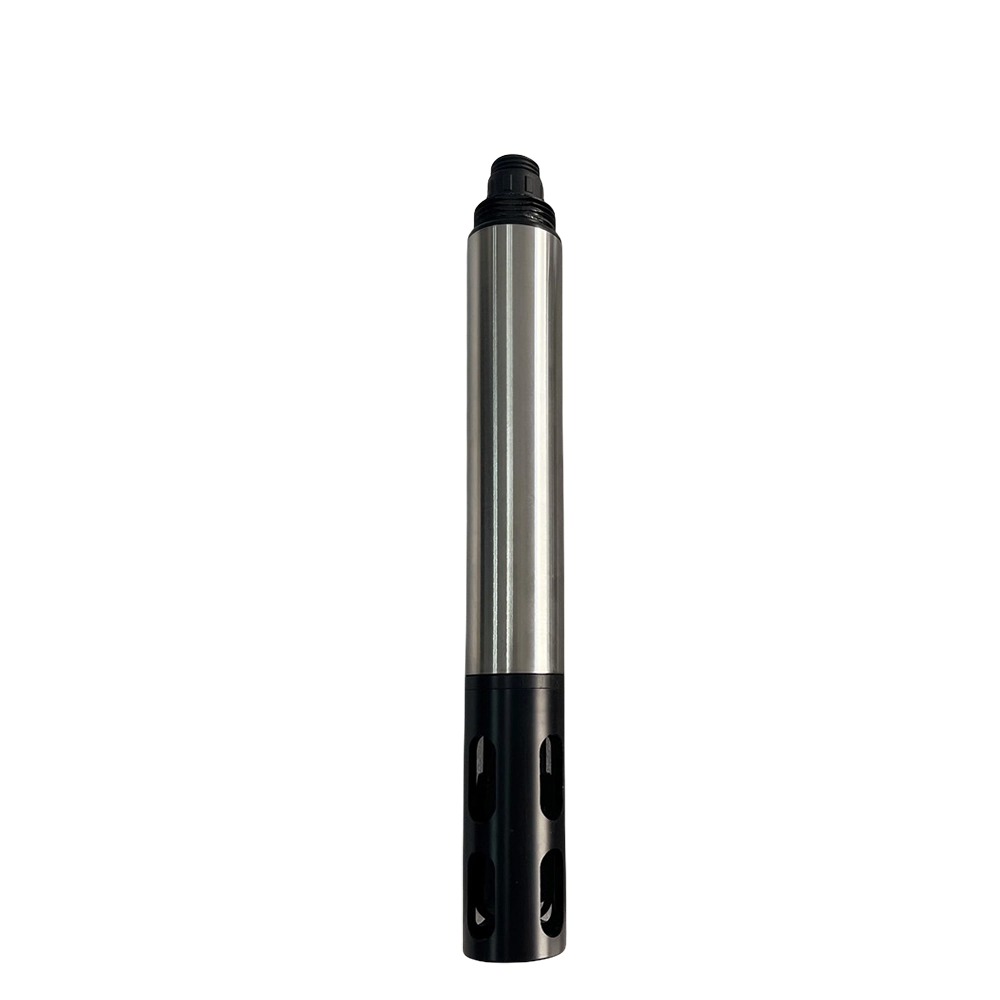
At its core, a pH sensor measures the concentration of hydrogen ions in a solution. The more hydrogen ions present, the more acidic the solution becomes, and the lower the pH value. Conversely, fewer hydrogen ions indicate an alkaline solution, which will have a higher pH value. pH sensors are specifically designed to detect these ions and provide a corresponding measurement.
The pH scale is designed to represent this concentration in a logarithmic fashion. The scale ranges from 0 to 14, with each whole number representing a tenfold change in hydrogen ion concentration. Here's a quick look at what different pH values indicate:
pH Value | Solution Type |
0-3 | Strongly Acidic |
4-6 | Weakly Acidic |
7 | Neutral |
8-10 | Weakly Alkaline |
11-14 | Strongly Alkaline |
For instance, a pH of 2 is 10 times more acidic than a pH of 3, and a pH of 12 is 100 times more alkaline than a pH of 10. This scale is essential for understanding the properties of different solutions, whether in natural bodies of water or chemical processes.
Temperature can significantly affect pH measurements, as the pH of a solution typically decreases (becomes more acidic) as temperature increases. Leadmed’s pH sensors are equipped with automatic temperature compensation features, ensuring that the sensor provides accurate pH readings despite temperature fluctuations. This is crucial in environments like industrial processes or natural water bodies, where temperature variations can occur frequently.
pH sensors are widely used in environmental monitoring, especially for water quality testing. The pH of natural bodies of water, such as rivers, lakes, and oceans, can indicate the health of the ecosystem. Leadmed's advanced pH sensors are ideal for continuous monitoring of these water sources, helping ensure safe conditions for aquatic life and meeting water quality standards for human consumption.
Application Area | Role of pH Sensor |
Rivers and Lakes | Monitors water acidity and supports aquatic life preservation |
Wastewater Treatment | Ensures wastewater is treated to meet environmental regulations |
In industries like chemical manufacturing, water treatment, and food processing, maintaining the correct pH is essential for ensuring product quality and process efficiency. pH sensors are used to control and adjust the acidity or alkalinity of industrial solutions, ensuring that processes such as chemical reactions, fermentation, and water treatment operate within the correct pH range.
In the medical and biotechnology sectors, pH sensors play a crucial role in monitoring the pH of blood and other bodily fluids. For example, during surgeries or in intensive care, blood pH is an important indicator of a patient’s health. Additionally, pH sensors are used in fermentation processes, where controlling pH is critical for microbial growth and the production of bio-based products.
In industries like pharmaceuticals, food production, and cosmetics, pH sensors are vital for maintaining consistent product quality. For example, in food manufacturing, pH directly affects flavor, texture, and preservation. By consistently measuring and adjusting pH, manufacturers can ensure that their products meet quality standards and consumer expectations.
Accurate pH measurement is crucial to ensure product safety and prevent costly failures. Incorrect pH levels can lead to serious issues such as faulty chemical reactions or unsafe byproducts, especially in sensitive industries. Here are some examples of how pH sensors help prevent product failure:
● Chemical Manufacturing: An incorrect pH level can cause undesirable reactions, leading to substandard or dangerous products.
● Food and Beverage Production: pH sensors ensure that products like sauces, beverages, or dairy items are safe and maintain consistent flavor and texture.
● Pharmaceuticals: pH control is critical to ensuring that medications are effective and meet safety standards.
By using reliable pH sensors, manufacturers can maintain safe, high-quality products that meet the required specifications, avoiding costly mistakes and maintaining consumer trust.
Glass pH electrodes are the most commonly used type of pH sensor. They are reliable, cost-effective, and widely used in both industrial and laboratory settings. These electrodes are ideal for general-purpose applications, including environmental monitoring and water treatment.
Ion-sensitive field-effect transistor (ISFET) pH sensors are a solid-state alternative to glass electrodes. ISFET sensors are more compact, durable, and resistant to mechanical damage. They are commonly used in portable devices and applications where space is limited or where traditional glass electrodes are impractical.
Optical pH sensors are a newer technology that uses fluorescent indicators to measure pH levels. These sensors are non-invasive, making them ideal for applications where traditional sensors may not be suitable, such as in biological or medical applications.
Type of pH Sensor | Key Features |
Glass pH Electrodes | Reliable, cost-effective, ideal for general applications. |
ISFET pH Sensors | Compact, durable, suitable for portable devices. |
Optical pH Sensors | Non-invasive, ideal for medical and biological applications. |
Each type of pH sensor is designed to meet specific needs, ensuring flexibility in various industrial, scientific, and medical applications.
In agriculture, soil pH plays a crucial role in plant health and crop productivity. A pH sensor helps farmers monitor and adjust soil pH to optimize plant growth. Some examples include:
● Certain crops thrive in more acidic soils (pH < 7), such as blueberries.
● Other crops require alkaline conditions (pH > 7), like asparagus or spinach.
pH measurement is essential in food production to maintain the right levels for flavor, preservation, and safety. pH sensors are widely used in:
● Brewing: Ensures consistent flavor and fermentation processes.
● Winemaking: Controls acidity for taste and preservation.
● Dairy Production: Maintains safe pH for consistency and shelf life.
Ensuring that water remains safe for consumption and ecological health is vital. pH sensors help monitor water quality by:
● Measuring pH levels in drinking water to meet safety standards.
● Monitoring water pH in industrial processes to ensure efficiency and safety.
● Ensuring natural water sources stay within a safe pH range for aquatic life.
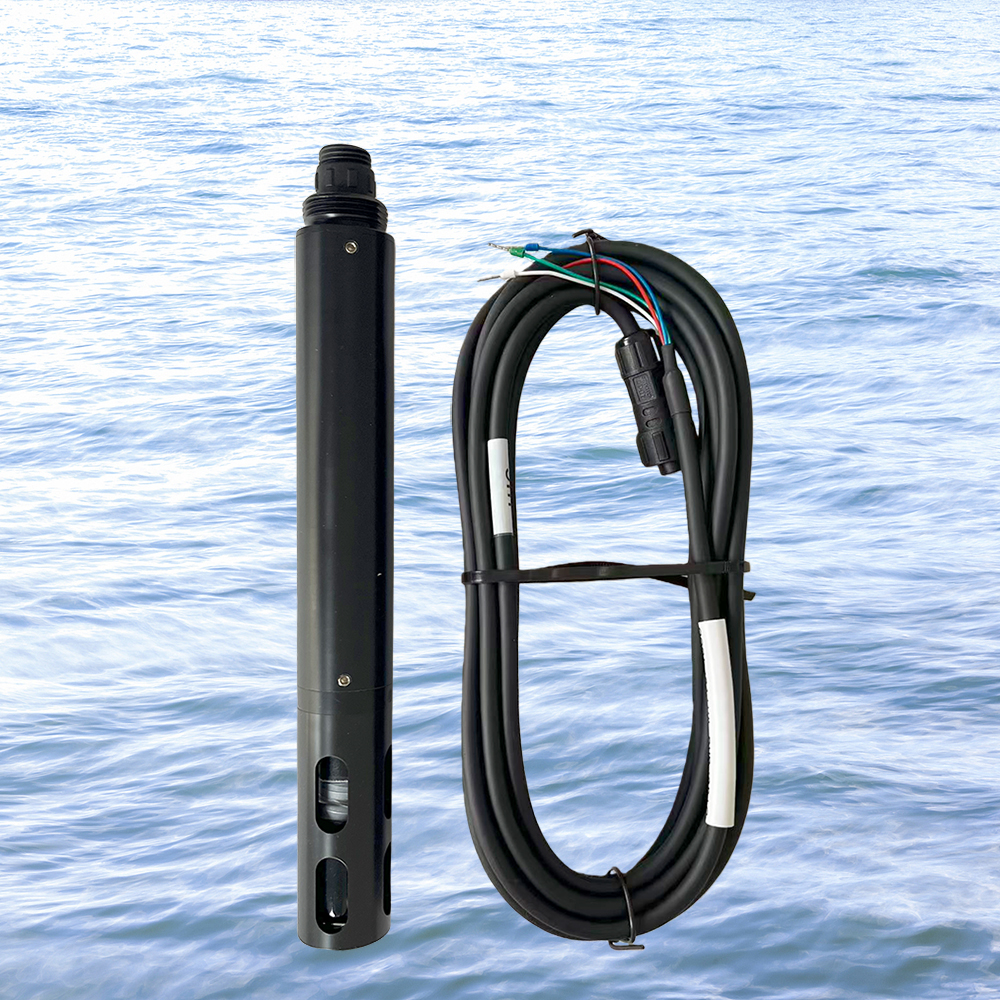
pH sensors are essential tools for measuring the acidity or alkalinity of solutions. They provide valuable insights into liquid composition, ensuring optimal conditions and compliance with safety standards. Beijing Leadmed Technology Co., Ltd. offers high-precision pH sensors, ensuring accurate water monitoring. Their advanced products help industries improve efficiency, prevent failures, and maintain product safety and quality.
A: A pH sensor measures the acidity or alkalinity of a solution by detecting the concentration of hydrogen ions (H⁺) in the liquid. It provides an accurate pH reading, helping to determine whether a substance is acidic, neutral, or alkaline.
A: A pH sensor works by using a glass electrode and a reference electrode to measure the voltage generated by the hydrogen ion concentration in a solution. This voltage is then converted into a pH value on the scale of 0 to 14.
A: pH measurement is crucial for ensuring optimal conditions in various industries, such as environmental monitoring, agriculture, food production, and water treatment. Accurate pH readings help maintain product quality, safety, and process efficiency.
A: Temperature changes can influence pH readings. pH sensors like those offered by Beijing Leadmed Technology Co., Ltd. have built-in temperature compensation to ensure accurate measurements even with temperature fluctuations.
A: Yes, pH sensors are widely used in industries like chemical manufacturing, water treatment, and food production. They help monitor and control pH levels, ensuring that processes operate within the correct pH range for product quality and safety.


