
Views: 0 Author: Site Editor Publish Time: 2026-02-12 Origin: Site

When it comes to maintaining water quality, two key parameters are frequently measured: Total Dissolved Solids (TDS) and pH levels. Both TDS sensors and pH sensors play essential roles in monitoring water for various industries, from agriculture to manufacturing. While they both contribute to understanding water quality, they measure different aspects of it.
In this article, we will explore the fundamental differences between TDS sensors and pH sensors. You will learn how each sensor works, their applications, and the best use cases for each. Companies like Leadmed provide high-quality sensors for accurate water monitoring.
Total Dissolved Solids (TDS) refers to the combined concentration of inorganic and organic substances dissolved in water, including minerals, salts, metals, and other compounds. TDS is a crucial indicator of water purity, as it reflects the total amount of substances that may influence taste, water quality, and its impact on equipment.
Leadmed’s TDS sensors, for example, are designed to precisely measure the concentration of these dissolved solids, providing an accurate reading of water quality for various industrial and environmental applications.
TDS is typically measured in parts per million (ppm) or milligrams per liter (mg/L). These units describe the concentration of dissolved solids in water. For instance, water with a TDS value of 500 ppm contains 500 milligrams of dissolved solids per liter. This measurement is essential for industries that require controlled water purity.
Measurement Units | Description |
ppm | Parts per million, indicating the concentration of dissolved solids |
mg/L | Milligrams per liter, similar to ppm but used for more specific measurements |
TDS sensors measure the electrical conductivity of water, which correlates with the concentration of dissolved solids. Higher TDS levels increase conductivity, providing real-time water quality monitoring.
● Conductivity Measurement: TDS sensors measure electrical conductivity.
● Dissolved Solids: More dissolved solids lead to higher conductivity.
● Calibration: Regular calibration is key to accurate readings.
pH is a measure of the acidity or alkalinity of a solution, with a scale ranging from 0 to 14. A pH of 7 is considered neutral, values below 7 are acidic, and those above 7 are alkaline. The pH level plays a critical role in chemical stability, corrosion control, and the health of aquatic ecosystems.
Leadmed offers high-precision pH sensors that measure the hydrogen ion concentration in water, providing vital information for industries that require precise chemical balance.
The pH scale is logarithmic, meaning each whole number on the scale represents a tenfold difference in hydrogen ion concentration. For instance, a solution with a pH of 5 is ten times more acidic than one with a pH of 6. In most industrial and environmental applications, precise pH control is essential for maintaining process efficiency and safety.
pH Scale | pH Range | Detail |
Acidic | 0–6.9 | Solutions with excess hydrogen ions |
Neutral | 7 | Pure water (no acidic or alkaline properties) |
Alkaline | 7.1–14 | Solutions with excess hydroxide ions |
pH sensors work by using an electrode to measure the electrochemical potential between the solution and the reference electrode. This potential is linked to the hydrogen ion concentration, and the sensor then converts the electrical signal into a readable pH value. For accurate long-term monitoring, pH sensors require regular calibration.
● Electrode Measurement: pH sensors use an electrode to measure electrochemical potential.
● Hydrogen Ion Concentration: The electrochemical potential corresponds to the concentration of hydrogen ions.
● Calibration: Regular calibration with standard buffer solutions is essential for accuracy.
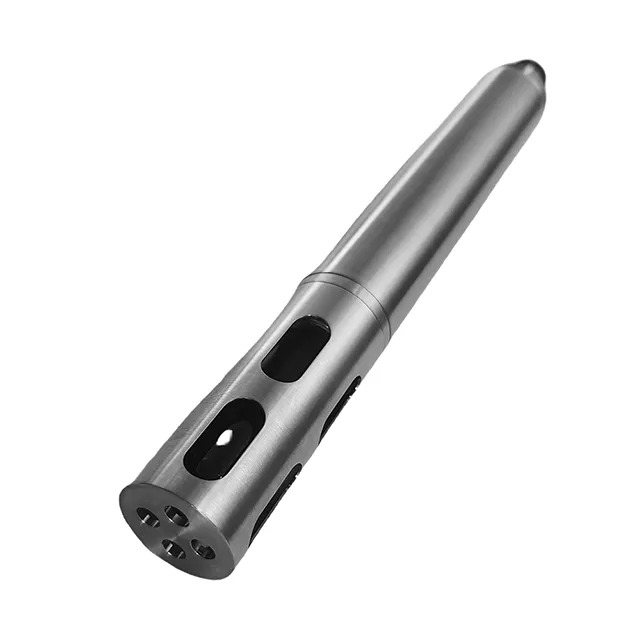
The primary distinction between TDS and pH sensors is what they measure:
● TDS: Measures the total amount of dissolved solids (minerals, salts, metals).
● pH: Measures the acidity or alkalinity of a solution.
● TDS: Measured in ppm or mg/L, indicating the concentration of dissolved solids in water.
● pH: Measured on a scale from 0 to 14, indicating the strength of acids and bases.
● TDS: Based on electrical conductivity, which increases with higher levels of dissolved solids.
● pH: Based on electrochemical potential, which changes with the concentration of hydrogen ions in the solution.
● TDS: Indicates the purity of water, the concentration of dissolved minerals, salts, metals, and potential contaminants.
● pH: Provides information about the chemical balance of water, indicating whether it is acidic, neutral, or alkaline.
Feature | TDS Sensor | pH Sensor |
Measurement Target | Dissolved solids (minerals, salts, metals) | Acidity/alkalinity |
Units | ppm, mg/L | 0–14 scale |
Measurement Method | Electrical conductivity | Electrochemical potential |
Information Provided | Water purity, dissolved minerals, contaminants | Chemical balance (acid/alkaline) |
Understanding these differences helps determine the right sensor to use based on your specific water quality needs. While TDS sensors focus on dissolved solids, pH sensors ensure proper chemical balance in water systems.
TDS sensors are widely used in water quality testing, especially for ensuring the effectiveness of water filtration systems. Leadmed’s TDS sensors are commonly deployed in industries such as water purification, aquaculture, and industrial water treatment. They help monitor and ensure that water meets required standards for drinking, irrigation, or industrial use.
In agriculture, TDS sensors are critical for managing nutrient levels in hydroponics and irrigation systems. TDS levels directly impact plant growth, and maintaining optimal levels ensures healthy crops. Similarly, in industrial applications, TDS sensors are used to monitor the quality of water used in boilers, cooling systems, and other machinery to prevent scaling and damage.
Application Area | TDS Sensor Use |
Water Quality Testing | Ensures water meets standards for drinking, irrigation, and industrial use |
Agriculture | Manages nutrient levels in hydroponics and irrigation systems |
Industry | Monitors water in boilers, cooling systems, and machinery to prevent scaling |
Annotation: TDS levels in water also play a significant role in equipment performance. High TDS can lead to scaling, corrosion, and clogging in industrial machinery, reducing efficiency and increasing maintenance costs.
pH sensors are integral to various chemical processes, where maintaining a precise pH level is crucial for achieving desired reactions. For example, in water treatment, the pH level must be controlled to optimize the effectiveness of disinfectants and other chemicals. Leadmed’s pH sensors help ensure accurate pH control, preventing costly mistakes and inefficiencies.
pH monitoring is essential in environmental systems like aquariums and swimming pools, where maintaining a balanced pH is necessary for aquatic life and human safety. In industrial applications, pH control ensures the integrity of chemical processes, preventing corrosion in equipment and optimizing reaction rates in manufacturing.
Application Area | pH Sensor Use |
Chemical Processes | Ensures accurate pH control for chemical reactions, especially in water treatment |
Environmental Systems | Maintains pH balance for aquatic life in aquariums and pools |
Industrial Applications | Prevents corrosion, optimizes chemical reactions in manufacturing |
Annotation: pH levels can affect the solubility of toxic metals and chemicals in water, making pH monitoring an essential part of environmental health and safety regulations.
Choosing between a TDS sensor and a pH sensor depends on the specific water quality parameters you need to monitor. Here’s a guide to help you select the right sensor for your needs:
● When to Use a TDS Sensor:
Use a TDS sensor when you need to evaluate the overall purity and mineral content of water. TDS meters are particularly beneficial for water treatment professionals, hydroponic systems, and industries where high-quality water is crucial for machinery performance. By monitoring TDS, you can ensure water quality remains consistent and prevent damage to equipment.
● When to Use a pH Sensor:
A pH sensor is necessary when maintaining the correct chemical balance in water is essential. This includes applications like swimming pools, industrial processes, and agriculture, where water must remain within a specific pH range to support proper function. pH sensors ensure that the water's chemical properties are stable, preventing issues such as corrosion, scaling, or impaired biological growth.
Sensor Type | When to Use | Key Benefits |
TDS Sensor | Assessing water purity and mineral content | Ensures consistent water quality, prevents equipment damage |
pH Sensor | Maintaining chemical balance in water | Prevents corrosion, scaling, and supports biological health |
By choosing the right sensor, you ensure that your water systems remain efficient and safe, whether you're monitoring purity or chemical balance. Consider your specific needs to determine which sensor best fits your application.
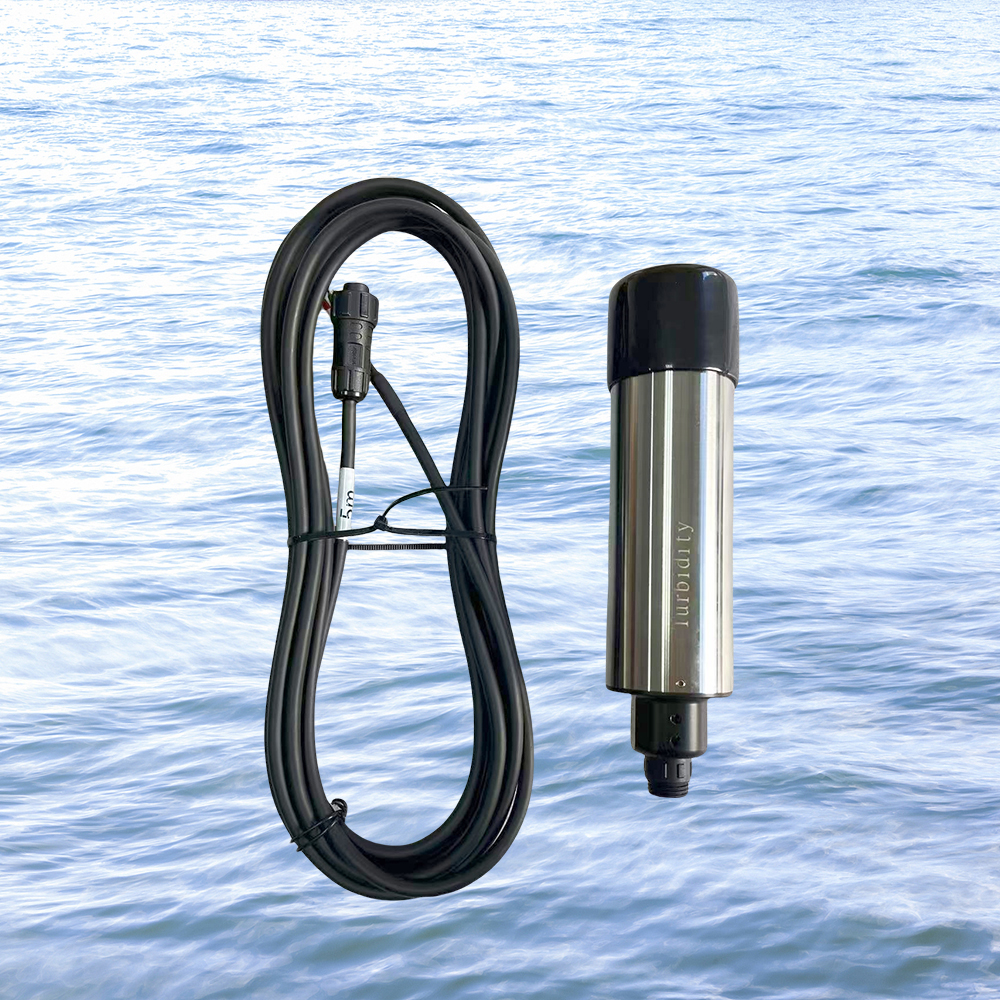
In summary, while both TDS and pH sensors are essential for understanding water quality, they measure different aspects of it. TDS sensors offer crucial insights into the concentration of dissolved solids in water, helping monitor purity and prevent issues like scaling. pH sensors, however, measure the chemical balance, ensuring chemical stability and preventing corrosion.
For industries that need precise monitoring of both TDS and pH, combining these sensors provides a complete understanding of water quality. Beijing Leadmed Technology Co., Ltd. offers high-quality sensors designed for accurate and reliable readings, helping businesses maintain optimal water conditions.
A: A TDS sensor measures the total concentration of dissolved solids (minerals, salts, metals) in water, while a pH sensor measures the acidity or alkalinity of a solution, indicating its chemical balance.
A: A pH sensor measures the hydrogen ion concentration in water using electrodes. This information helps determine whether a solution is acidic, neutral, or alkaline, which is critical for chemical stability and biological health.
A: Monitoring TDS is crucial for assessing water purity, as high TDS levels can indicate contamination or hard water. It helps prevent scaling, corrosion, and potential damage to industrial machinery, ensuring efficient operations.
A: No, TDS sensors measure the total concentration of dissolved solids but cannot identify specific substances. For precise identification, additional testing methods are needed.
A: A pH sensor is essential when controlling chemical processes or maintaining proper chemical balance, such as in swimming pools, industrial applications, or agricultural systems.
A: Using both TDS and pH sensors provides a complete picture of water quality. TDS sensors monitor the purity and mineral content, while pH sensors ensure the chemical balance, crucial for maintaining optimal conditions in water systems.


