
Views: 0 Author: Site Editor Publish Time: 2025-11-05 Origin: Site

Ever wondered how industries maintain product quality and environmental safety? The secret often lies in measuring pH levels. pH sensors are crucial tools that help industries monitor acidity or alkalinity in various solutions. In this post, you'll learn what a pH sensor is and its importance across different sectors.
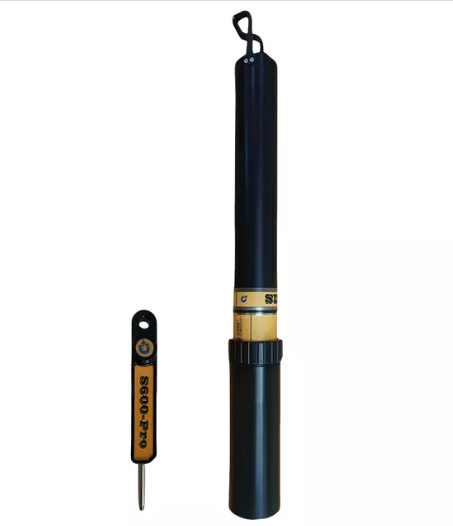
A pH sensor measures how acidic or alkaline a solution is by detecting hydrogen ion activity. It works by using a special glass membrane that interacts with hydrogen ions in the liquid. This membrane allows ions to exchange between the solution and the sensor's internal solution, creating an electrical voltage. The voltage changes depending on the concentration of hydrogen ions outside the sensor.
When the sensor is placed in the solution, hydrogen ions move through the glass membrane. This movement causes a difference in electrical potential between the inside of the sensor and the solution. The sensor detects this voltage difference, which is then converted into a pH value by the connected meter or transmitter. The process relies on the Nernst equation, which relates voltage to hydrogen ion concentration.
Electrode Body: The outer casing, usually made of glass or plastic, protects the internal parts. The term "glass electrode" refers to the glass membrane, not the body itself.
Glass Membrane: This thin, pH-sensitive glass layer allows hydrogen ions to interact with the sensor. It forms a gel layer when wet, which is crucial for accurate measurements.
Reference Electrode: Provides a stable electrical potential inside the sensor. It usually contains silver/silver chloride (Ag/AgCl) and is immersed in a neutral electrolyte solution.
Reference Electrolyte: A solution, often potassium chloride (KCl), inside the sensor that helps conduct electricity and maintain a stable environment.
Reference Junction: A porous barrier that allows electrical contact between the sensor's internal electrolyte and the external solution while preventing contamination.
The sensor measures the voltage difference between the glass membrane and the reference electrode. This voltage corresponds to the pH level of the solution. The reference electrode remains unaffected by the solution's pH, ensuring a reliable baseline for comparison.
Different designs exist to suit various applications. For example, some sensors have double junctions to prevent contamination in harsh environments. Others include temperature sensors to compensate for temperature effects on pH readings.
This is the most common type. It combines the measuring electrode and the reference electrode in one unit. The measuring electrode detects hydrogen ion activity, while the reference electrode provides a stable baseline voltage. Together, they produce an electric signal that the meter converts into a pH value. Combination sensors are convenient and widely used in labs and industry.
This sensor uses two similar electrodes plus a third metal grounding electrode. The third electrode helps maintain accuracy in challenging conditions, like when contamination or rapid pH changes occur. It acts like a safety net, reducing background noise and ensuring stable readings. Differential sensors are ideal for harsh industrial environments.
Lab grade sensors are made with high-quality materials for precise measurements. They often use combination electrodes but are built to handle more intense conditions, such as research labs or wastewater analysis. These sensors can also measure temperature alongside pH, improving accuracy.
Process sensors are designed for continuous monitoring in industrial settings. They use combination sensor technology but come in larger, more durable housings. You can mount them directly in pipes or tanks for real-time pH tracking. These sensors withstand tough environments and provide reliable data for process control.
pH sensors work by detecting hydrogen ions (H⁺) in a solution. These ions determine whether a solution is acidic or alkaline. When you dip a pH sensor into a liquid, hydrogen ions interact with the sensor’s glass membrane. This membrane is special—it selectively allows hydrogen ions to pass through or interact with it.
This interaction causes an ion exchange process. Hydrogen ions from the solution swap places with metal ions inside the glass membrane. This exchange creates a difference in hydrogen ion concentration across the membrane. The sensor then senses this difference as an electrical potential (voltage). The more hydrogen ions present, the stronger the voltage generated.
In simple terms, acidic solutions have a high concentration of hydrogen ions, so the sensor produces a higher voltage. Alkaline solutions have fewer hydrogen ions, resulting in a lower voltage. This voltage difference is the key to measuring pH.
The voltage generated by the pH sensor comes from the difference in hydrogen ion activity between the solution and the sensor’s internal reference. Inside the sensor, a reference electrode maintains a stable voltage. The glass membrane’s surface voltage varies depending on the hydrogen ion concentration outside.
This voltage difference is tiny, usually measured in millivolts (mV). The pH meter connected to the sensor reads this voltage and converts it into a pH value using the Nernst equation. This formula relates voltage to the concentration of hydrogen ions, allowing the meter to display an accurate pH reading.
The Nernst equation is:
E=E0+nF2.3RTlog[H+]
Where:
E is the measured voltage,
E0 is the reference voltage,
R is the gas constant,
T is temperature in Kelvin,
n is the charge number of the ion (1 for hydrogen),
F is Faraday’s constant,
[H+] is the hydrogen ion concentration.
Temperature affects this measurement, so many pH sensors include temperature compensation to improve accuracy.
The sensor’s reference electrode usually contains a stable electrolyte solution like potassium chloride (KCl). This electrolyte helps maintain a constant internal environment, ensuring the reference voltage stays steady.
The sensor’s reference junction allows electrical contact between the internal electrolyte and the test solution. It prevents contamination while enabling ion flow necessary for voltage measurement.
pH sensors play a crucial role across many industries and environmental settings. Their ability to measure acidity or alkalinity accurately makes them indispensable tools. Here are some key applications:
Monitoring pH levels in natural water bodies like rivers, lakes, and oceans helps track pollution and ecosystem health. Changes in pH can indicate contamination from industrial waste, agricultural runoff, or acid rain. pH sensors provide continuous, real-time data for environmental scientists to assess water quality and detect harmful changes early. This helps protect aquatic life and maintain balanced ecosystems.
In food production, pH control is vital for safety, flavor, and texture. For example, fermentation processes in dairy, brewing, and pickling rely on precise pH levels. pH sensors ensure products meet quality standards by monitoring acidity during processing and storage. They help prevent spoilage and maintain consistency. Additionally, pH sensors assist in cleaning and sanitizing equipment by verifying solution effectiveness, ensuring hygiene compliance.
Water treatment plants use pH sensors to monitor and adjust water chemistry. Proper pH ensures effective disinfection and prevents corrosion in pipes. pH sensors also help maintain safe drinking water standards by detecting imbalances that could harm human health. In aquaculture, maintaining optimal pH supports fish health and growth. Portable pH sensors enable field testing for rapid water quality assessments in various locations.
Tip: Regularly calibrate pH sensors used in environmental and industrial applications to ensure accurate, reliable readings critical for safety and quality control.
pH sensors offer numerous advantages over traditional testing methods. They provide highly accurate and repeatable measurements, essential for quality control in industries like food, water treatment, and pharmaceuticals. Their ability to deliver rapid results saves time, especially when monitoring large batches or continuous processes. This speed enhances efficiency and allows for real-time adjustments, minimizing waste and preventing product spoilage. Additionally, pH sensors reduce operational costs over time. Unlike manual tests or chemical reagents, they require less labor and fewer consumables, making them cost-effective in the long run. Their digital output also facilitates data logging and analysis, supporting compliance with industry standards and improving decision-making.
Despite their many benefits, pH sensors face several limitations. They can be costly to purchase initially, particularly high-quality models designed for industrial applications. Maintenance demands are significant; sensors need regular calibration, cleaning, and replacement of electrodes to maintain accuracy. External factors like temperature fluctuations, electrical interference, and chemical contamination can affect readings, leading to inaccuracies if not properly managed. Electrodes are fragile, especially glass types, making them susceptible to breakage during handling or in harsh environments. Extreme pH ranges pose additional challenges, as sensors may not perform accurately in highly acidic or alkaline solutions. Furthermore, their lifespan depends on proper maintenance, and neglect can lead to drift, requiring frequent recalibration and replacement.
While pH sensors boost precision, speed, and operational efficiency, they demand careful handling, regular upkeep, and investment. Understanding these advantages and limitations helps businesses select suitable sensors, optimize their use, and ensure reliable measurements over time. Proper maintenance and calibration are key to maximizing their benefits and minimizing challenges.
Proper maintenance and calibration keep pH sensors accurate and reliable. Without regular care, sensors can give wrong readings, which could affect your processes or research results.
Calibration adjusts the sensor to known pH standards, ensuring its readings match true values. pH sensors should be calibrated frequently—ideally before each use or at least weekly if used often. Calibration uses standard buffer solutions, typically at pH 4, 7, and 10, covering acidic, neutral, and basic ranges.
Skipping calibration leads to drift, where the sensor slowly loses accuracy. Drift happens because the glass membrane or reference electrode ages or gets contaminated. Proper calibration corrects this, maintaining confidence in measurements.
Cleaning the sensor after use removes residues that can clog the glass membrane or reference junction. Use a mild detergent or a specialized electrode cleaning solution. Avoid harsh chemicals or abrasive materials that damage the sensor.
Rinse the sensor with distilled or deionized water after cleaning to remove any leftover chemicals. Never wipe the glass membrane with a dry cloth, as this can generate static and harm the sensor.
For storage, keep the sensor hydrated. Store it in a proper storage solution—usually a potassium chloride (KCl) solution or a manufacturer-recommended liquid. Avoid storing the sensor dry or in distilled water for long periods, as this can dry out the glass membrane and reduce sensitivity.
If the sensor is not used for a long time, soak it in storage solution before use to rehydrate the glass membrane.
pH sensors measure acidity or alkalinity by detecting hydrogen ion activity through a glass membrane. They are vital in various industries for accurate, real-time monitoring. Future trends in pH sensor technology focus on enhanced durability and precision. Leadmed Technology offers advanced pH sensors that ensure reliable measurements and efficiency. Their products provide significant value by combining innovative features with robust design, meeting diverse industrial needs.
A: A pH sensor works by using a glass membrane to detect hydrogen ions, creating a voltage difference that is converted into a pH reading by a connected meter.
A: pH sensors are crucial for water quality testing as they help monitor and adjust water chemistry, ensuring safe drinking water and effective disinfection.
A: pH sensors offer accurate, rapid measurements, enhancing efficiency and reducing operational costs in industries like food, water treatment, and pharmaceuticals.
A: The cost of a pH sensor varies based on quality and type, with prices ranging from affordable models for basic use to expensive industrial-grade sensors.


