
Views: 0 Author: Site Editor Publish Time: 2025-11-07 Origin: Site
Ever wondered how accurate your pH sensor readings are? Calibration is key to ensuring reliability. pH sensors measure acidity or alkalinity, vital across industries. In this post, you'll learn the importance of calibration, step-by-step processes, and applications in water treatment, food, and pharmaceuticals. Discover how proper calibration enhances sensor performance and accuracy.
A typical pH sensor includes three main parts: the glass electrode, the reference electrode, and the body or housing. The glass electrode has a special glass membrane that interacts with hydrogen ions in a solution. The reference electrode provides a stable reference voltage to compare against. Both electrodes are housed together in the sensor body, which protects them and allows easy immersion into liquids.
Inside the glass electrode, a thin glass membrane selectively allows hydrogen ions to pass through. This interaction generates a voltage signal. The reference electrode usually contains a stable solution, such as potassium chloride, and a silver/silver chloride wire that maintains a constant potential. Together, these components create an electrochemical cell that produces a measurable voltage related to pH.
The pH sensor measures the voltage difference between the glass electrode and the reference electrode. This voltage corresponds to the hydrogen ion activity in the solution. At neutral pH 7, the voltage is zero millivolts (mV). For every pH unit change, the voltage shifts approximately 59 mV at 25°C. This voltage shift is called the sensor’s slope.
The sensor's output voltage is converted by the pH meter into a pH value, ranging from 0 (very acidic) to 14 (very alkaline). The meter uses calibration data to adjust for sensor offset and slope deviations, ensuring accurate pH readings. Temperature also affects the voltage output, so many sensors include temperature compensation to improve accuracy.
pH sensors have broad applications across many fields due to their ability to provide quick, reliable acidity or alkalinity measurements. Some key industries include:
Water Treatment: Monitoring pH ensures water safety and compliance with regulations.
Food and Beverage: pH controls fermentation, taste, and shelf life.
Environmental Monitoring: pH sensors track pollution levels in lakes, rivers, and soil.
Pharmaceuticals and Laboratories: Precise pH control is critical for drug formulation and research.
Agriculture: Soil pH affects nutrient availability and crop yield.
Industrial Processes: Chemical manufacturing, pulp and paper, and textiles rely on pH control for quality and safety.
Tip: Regularly check the sensor’s glass membrane for cracks or deposits, as these can cause inaccurate pH readings and affect sensor lifespan.
Calibrating a pH sensor is crucial for obtaining accurate and reliable pH readings. Over time, the sensor’s glass electrode and reference electrode can drift due to aging or exposure to chemicals. This drift causes the sensor’s voltage output to deviate from the true pH value of the solution. Calibration adjusts the sensor’s readings by comparing them against known pH buffer solutions, correcting offsets and slope errors. Without regular calibration, measurements can become inaccurate, leading to poor process control or faulty data.
Calibration also helps detect sensor drift and potential damage. If the sensor’s readings cannot be adjusted to match the known buffer values during calibration, it indicates the sensor may be contaminated, fouled, or physically damaged. For example, cracks in the glass membrane or clogging in the reference junction can impair sensor performance. Early detection through calibration can prevent costly errors and downtime by prompting sensor cleaning or replacement before measurements become unreliable.
A properly calibrated pH sensor performs optimally, providing stable and consistent readings. Calibration corrects the sensor’s offset (the reading at pH 7) and slope (the change in voltage per pH unit), which may vary from theoretical values. This ensures the sensor accurately reflects the pH scale from acidic to alkaline. Regular calibration also compensates for environmental factors like temperature fluctuations, which affect sensor response. By maintaining calibration, you extend the sensor’s effective lifespan and maintain confidence in your pH data across applications.
Standard buffer solutions are the most common and reliable tools for calibrating pH sensors. These solutions have precisely known pH values, typically pH 4.00, 7.00, and 10.00, and are used to set the baseline and slope of the pH meter. They are manufactured under strict quality control to ensure consistency and accuracy. When calibrating, it’s essential to use fresh, unopened buffers, as exposure to air, light, or contamination can alter their pH. Always verify that the buffer solutions are within their expiration date and stored properly—preferably at room temperature and in tightly sealed containers.
For applications demanding higher precision, technical and millesimal calibration solutions are available. These solutions cover a broader pH range, from about 1.68 to 10.00, and are designed for more exact measurements. Technical solutions match the accuracy standards of standard buffers but offer more options for calibration points, which is useful in complex or sensitive processes. Millesimal solutions go even further, providing pH values with a resolution of 0.001. They are ideal for laboratory, medical, or industrial environments where tiny pH variations matter significantly.
Selecting the right calibration solution depends on your specific application. For routine measurements, standard buffer solutions—pH 4, 7, and 10—are usually sufficient. They are cost-effective and easy to use, providing reliable calibration points for most industries. If your work involves highly sensitive processes, such as pharmaceutical manufacturing or water quality testing, investing in millesimal or technical calibration solutions makes sense. These solutions help ensure measurements stay within tight tolerances, reducing errors and improving process control.
Temperature plays a crucial role in calibration accuracy. Always calibrate your pH sensor in solutions close to the sample’s temperature—around 77°F (25°C). Many buffers are formulated to be accurate at this temperature, but if measurements occur at different temperatures, consider using solutions with temperature compensation or adjusting your readings accordingly.
Maintaining a well-stocked supply of calibration solutions is vital. Always keep unopened buffers in a cool, dark place. Once opened, solutions should be used within a limited time—typically 20-30 minutes—because they can absorb CO₂ from the air, which shifts their pH. Proper storage and timely use of buffers help maintain calibration accuracy over time.
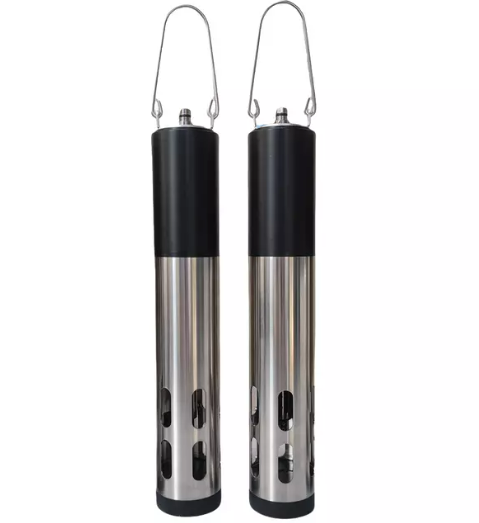
Before starting calibration, rinse the pH sensor thoroughly using deionized or distilled water. This removes any residues from previous measurements that might skew your results. Gently blot the sensor dry with a lint-free tissue—avoid rubbing the glass membrane, as it can cause damage.
Ensure your buffer solutions are fresh, uncontaminated, and at room temperature (around 25°C or 77°F). Use at least two buffer solutions for calibration: typically pH 7.00 (neutral) and either pH 4.00 (acidic) or pH 10.00 (alkaline). For higher accuracy, include all three.
Start with the mid-point calibration using the pH 7.00 buffer solution. Immerse the sensor in the solution and wait for the reading to stabilize, which usually takes 1–2 minutes. Most pH meters allow you to enter a calibration mode; once stable, set the meter to recognize this as the neutral point. This step resets the sensor’s offset to zero, ensuring the sensor reads correctly at neutral pH.
Next, rinse the sensor again with distilled water and blot dry. Place it in the pH 4.00 buffer solution. Wait until the reading stabilizes. This step adjusts the sensor’s slope, which affects how it reads acidic solutions. Once stable, calibrate the meter for this low-point value. This improves accuracy across the acidic range.
Finally, rinse and dry the sensor once more. Immerse it in the pH 10.00 buffer solution and wait for stabilization. Calibrate the meter for this high-point value. This step fine-tunes the sensor’s response in alkaline conditions, ensuring accuracy across the full pH scale.
Use fresh buffer solutions for each calibration session. Opened buffers absorb CO₂, which changes their pH over time.
If your meter supports it, perform a three-point calibration for the best accuracy.
After calibration, rinse the sensor and store it properly to maintain its condition.
Tip: Always calibrate your pH sensor in buffer solutions at the same temperature as your samples to minimize measurement errors caused by temperature differences.
Drifting readings are a common issue when calibrating pH sensors. They happen when the pH measurement fluctuates or takes longer to stabilize than expected. Several factors can cause this. For example, the sample might contain CO₂, which reacts with water to form carbonic acid, temporarily lowering the pH. This causes the sensor to drift as it seeks equilibrium. Also, if the sensor's glass membrane or reference junction is contaminated or damaged, it may not produce stable readings.
To troubleshoot drifting, first ensure the buffer solutions are fresh and at room temperature. Use deionized or distilled water to rinse the sensor thoroughly between measurements. Gently blot dry, avoiding rubbing the glass membrane, which can cause damage. Allow the sensor to sit in the buffer solution until the reading stabilizes—this can take 1-2 minutes. If the drift persists, check for physical damage or signs of fouling, like deposits or cracks. Cleaning the sensor with a mild detergent or acid/base solution can help remove deposits. If contamination or damage is suspected, replacing the sensor might be necessary.
A slow response time indicates the sensor takes longer than usual to reach a stable reading. New electrodes often respond slowly during initial use, which is normal. However, aging sensors or those that are dirty, dried out, or clogged respond more sluggishly. Environmental factors like temperature fluctuations or exposure to chemicals can also affect response speed.
To improve response times, start by cleaning the sensor properly. Use a mild detergent or a specialized electrode cleaner to remove grease, oil, or mineral deposits. Rinse with deionized water and dry gently. Ensure the reference junction is unclogged—submerging the sensor in a KCl solution for about 10 minutes can help. Store sensors properly to prevent drying out. When measuring, allow enough time for the sensor to equilibrate—usually 1-2 minutes. If response times remain slow despite cleaning and proper storage, consider replacing the electrode.
Calibration failures happen when the pH meter cannot match the buffer solutions' known pH values, indicating a problem with the sensor or the calibration process. Causes include expired or contaminated buffer solutions, improper rinsing, or incorrect calibration procedures.
First, verify buffer solutions are fresh, unexpired, and stored correctly—away from light and heat. Always rinse the sensor thoroughly with deionized water between solutions to prevent cross-contamination. Follow the calibration steps precisely: immerse the sensor in each buffer, wait for stabilization, and then adjust the meter accordingly.
If calibration still fails, check the sensor's physical condition. Look for cracks, deposits, or signs of damage. Ensure the reference junction is clean and free of clogging. Try recalibrating with different buffer solutions or using a different pH meter if available. Sometimes, recalibration after cleaning or replacing the buffer solutions solves the issue. If problems persist, the sensor may be beyond repair and need replacing.
Keeping your pH sensor clean is essential for accurate readings and long sensor life. After every use, rinse the sensor gently with distilled or deionized water to remove any residues. Avoid wiping the glass membrane, as this can cause static charges or damage the delicate surface.
For stubborn deposits like oils, salts, or proteins, soak the sensor in a mild detergent solution or specialized electrode cleaning solution for 5 to 10 minutes. For mineral deposits, a short soak in dilute hydrochloric acid (0.1 M HCl) followed by neutralizing in sodium hydroxide (0.1 M NaOH) can help. Always rinse thoroughly with distilled water afterward.
Avoid harsh scrubbing or abrasive materials. If the reference junction clogs, soak the sensor in a warm potassium chloride (KCl) solution for about 10 minutes to clear blockages. Regular cleaning prevents drift and slow response times.
Proper storage protects your pH sensor from drying out and damage. Always keep the glass bulb moist; never store it dry. Use a storage solution recommended by the manufacturer, often a KCl solution, to keep the sensor hydrated and the reference junction functioning.
If you don’t have storage solution, a pH 4 buffer solution can be a temporary alternative. Avoid storing the sensor in distilled or deionized water alone, as this can damage the reference electrode. When storing long-term, place a protective cap filled with storage solution over the sensor tip.
Keep sensors in a cool place, away from direct sunlight and extreme temperatures. Before storage, rinse the sensor and blot it gently to remove excess liquid.
Regular maintenance and careful handling extend your sensor’s useful life. Calibrate frequently, especially after cleaning or prolonged storage, to ensure reliable readings. Avoid exposing the sensor to extreme pH values outside its range or harsh chemicals that can degrade the glass membrane and reference electrode.
Handle the sensor carefully; the glass bulb is fragile and prone to cracking if dropped or bumped. Replace the sensor if calibration becomes impossible or response times slow significantly despite cleaning.
By following proper cleaning, storage, and handling practices, you can maximize accuracy and get the most value from your pH sensor.
Calibrating pH sensors ensures accurate and reliable measurements crucial for process control and data integrity. Regular calibration detects sensor drift and potential damage, improving performance and extending lifespan. Use fresh, temperature-matched buffer solutions for optimal calibration results. Leadmed Technology offers advanced pH sensors that enhance measurement precision and reliability across various applications. Consistent calibration practices maximize the value and longevity of these sensors, ensuring they meet industry standards and deliver exceptional results.
A: Calibrate a pH sensor using fresh buffer solutions at known pH values, typically pH 4, 7, and 10, to adjust the sensor's offset and slope for accurate readings.
A: Calibration ensures accurate pH readings by correcting sensor drift and detecting potential damage, maintaining reliable data for various applications.
A: Costs include purchasing buffer solutions and potential sensor replacements if calibration reveals damage or persistent inaccuracy.


