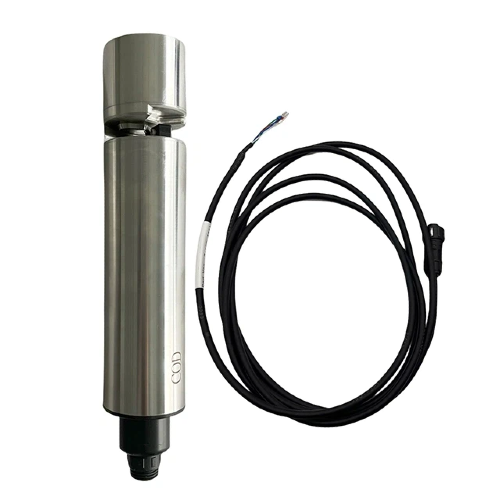
Chemical Oxygen Demand (COD) is a critical parameter used to measure the organic pollution level in water. It is an important indicator of water quality, used to assess the efficiency of wastewater treatment processes. COD testing helps monitor the concentration of organic matter in water and ensures compliance with regulatory standards before wastewater is discharged back into the environment. Real-time monitoring of COD allows industries to continuously track water quality, optimize treatment operations, and ensure the safety and compliance of effluent discharges.
However, real-time COD measurement can be challenging due to the influence of environmental factors, particularly temperature. Temperature fluctuations can cause significant changes in sensor readings, leading to inaccurate COD measurements. This article explores the impact of temperature interference on COD sensors and the techniques used to mitigate these effects, ensuring accurate and reliable real-time COD monitoring.
The Role of Temperature in COD Measurement
Temperature plays a crucial role in influencing the measurement of COD in real-time monitoring. Changes in temperature can alter the reaction rates between organic compounds and the reagents or sensors used in COD measurement. This interference can lead to deviations in the sensor's output, causing inaccurate readings. Accurate COD measurements are essential for industries to meet environmental standards and avoid penalties for non-compliance, making it critical to understand and manage the impact of temperature fluctuations.
The Impact of Temperature on COD Sensors
How Temperature Affects COD Measurements
Temperature variations influence COD sensors in several ways, particularly in optical absorption sensors, which measure the absorption of light by organic materials in water. The relationship between temperature and absorption is complex, as temperature affects the molecular movement of water molecules and the interaction between light and organic matter. As temperature increases, the absorption characteristics of organic matter can change, leading to inaccurate readings.
In addition, temperature can affect the sensor's electronic components, altering the detection capabilities of the photodetector or light source. These temperature-induced variations can skew the results, making it difficult to achieve accurate, reliable measurements, especially in real-time monitoring systems where data consistency is crucial.
Common Temperature-Induced Issues
Temperature-induced issues in COD sensors typically manifest in the following ways:
Overestimated Readings: Higher temperatures can accelerate the reaction rates between the organic compounds and the sensor, resulting in an overestimation of COD levels.
Underestimated Readings: In colder environments, the reaction rates slow down, potentially causing the sensor to provide readings lower than the actual COD concentration.
Reduced Sensitivity: Extreme temperatures can decrease the sensitivity of the sensor, affecting its ability to detect subtle changes in organic matter concentration.
Sensor Drift: Over time, temperature fluctuations can cause sensor drift, where the sensor’s baseline or reference value shifts, leading to consistently inaccurate readings.
The Relationship Between COD and Temperature
Temperature directly impacts the COD measurement because the chemical reactions involved in the measurement process are temperature-dependent. Higher temperatures typically increase the rate of chemical reactions, leading to higher oxygen consumption and thus higher COD readings. Conversely, lower temperatures reduce reaction rates, resulting in lower COD values.
To achieve accurate COD measurements, it is crucial to account for these temperature effects through correction factors or temperature compensation algorithms that adjust the readings to reflect actual organic pollution levels, regardless of temperature variations.
Temperature Compensation in COD Sensors
What is Temperature Compensation?
Temperature compensation is a technique used to adjust sensor readings based on fluctuations in temperature, ensuring that the COD measurements remain accurate under varying environmental conditions. This process helps account for the natural temperature-induced changes in sensor performance, correcting the measurements so that they reflect the actual COD value regardless of the temperature at the time of measurement.
Temperature compensation involves integrating a temperature sensor within the COD sensor system to monitor the ambient temperature of the sample being tested. This temperature data is then used to adjust the COD readings in real-time, ensuring that the values are consistent and accurate.
How Temperature Compensation Works in Optical Absorption Sensors
In optical absorption COD sensors, temperature compensation works by adjusting the sensor’s absorption readings based on the measured temperature. These sensors often include built-in temperature sensors that detect the temperature of the water being tested. The sensor then applies a correction factor to the COD reading based on the relationship between temperature and organic material absorption at different temperatures.
The process typically involves the following steps:
Temperature Measurement: The sensor detects the current temperature of the water sample.
Compensation Algorithm: Based on the temperature data, a correction factor is calculated using pre-programmed algorithms, which account for the temperature's effect on COD readings.
Adjusted COD Measurement: The sensor applies the correction factor to the raw measurement to provide an accurate COD reading.
Benefits of Temperature Compensation
Enhanced Accuracy: Temperature compensation ensures that the COD readings are accurate, even when temperatures fluctuate.
Consistent Results: The system produces reliable measurements over extended periods, reducing the risk of errors caused by temperature changes.
Improved Efficiency: By automatically compensating for temperature interference, temperature-compensated sensors reduce the need for manual adjustments and recalibration, saving time and operational costs.
Mitigating Temperature Interference in Real-Time Monitoring
Design Strategies for Minimizing Temperature Effects
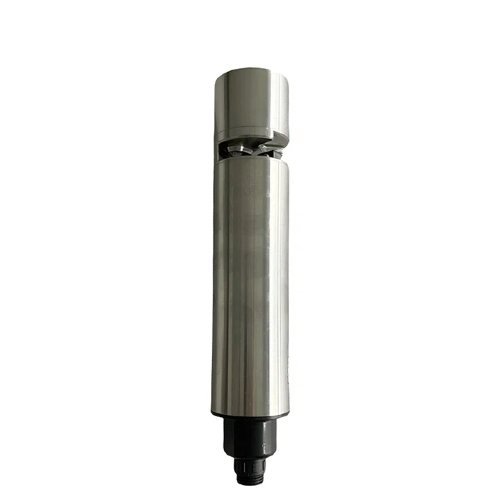
Manufacturers have adopted various design strategies to mitigate the impact of temperature variations on COD sensors. These strategies include using temperature-stable materials, incorporating thermal regulation systems, and designing sensors with built-in temperature compensation features.
Design Feature |
Description |
Thermal Regulation Systems |
Use of temperature-controlled chambers or heating elements to maintain stable sensor operation. |
Temperature-Resistant Materials |
Materials that minimize thermal expansion and contraction, ensuring consistent sensor performance. |
Built-In Temperature Sensors |
Integrating temperature sensors within the COD sensor to provide real-time temperature data for compensation. |
By using these strategies, sensor manufacturers can create COD sensors that offer more consistent performance across a range of temperatures, reducing the impact of environmental fluctuations.
Choosing the Right Sensor for Temperature Stability
When selecting a COD sensor, it's important to choose one with robust temperature compensation features, particularly if the sensor will be used in environments where temperature fluctuations are common. Key factors to consider include:
Operating Temperature Range: Ensure the sensor can operate effectively across the range of temperatures expected in the monitoring environment.
Temperature Compensation Accuracy: Look for sensors with highly accurate temperature compensation algorithms to ensure reliable readings.
Long-Term Stability: Choose sensors designed to maintain consistent performance over time, even in environments with frequent temperature changes.
Operational Best Practices
To maximize the accuracy of COD sensors in environments with temperature fluctuations, operators should follow best practices for sensor setup and calibration:
Sensor Placement: Install sensors in locations with stable temperature conditions, away from direct heat sources or cold drafts.
Calibrate Regularly: Perform regular calibration checks to ensure the sensor's temperature compensation system is functioning properly.
Monitor Temperature Regularly: Track the ambient temperature of the water being monitored, especially in environments where temperature changes are frequent or extreme.
Future Trends in COD Measurement and Temperature Compensation
Advancements in Sensor Materials and Technology
Future trends in COD sensor technology will focus on the development of more durable, temperature-resistant materials that improve sensor stability across a wider range of conditions. These innovations will ensure that COD sensors continue to provide reliable data, even in harsh or fluctuating environments. Additionally, improvements in miniaturization and sensor integration will allow for even more efficient temperature compensation mechanisms.
Artificial Intelligence and Machine Learning in Temperature Compensation
The integration of artificial intelligence (AI) and machine learning (ML) technologies into COD sensors will enable predictive temperature compensation. By using AI algorithms, sensors can dynamically adjust their compensation strategies based on historical temperature data and real-time monitoring, allowing for more accurate and adaptive responses to temperature interference. This will further improve sensor performance, especially in environments with frequent or unpredictable temperature fluctuations.
Conclusion
Temperature fluctuations pose a significant challenge in real-time COD measurement, but addressing temperature interference is essential for ensuring accurate and reliable results. Temperature compensation has become a key solution to mitigate these issues, allowing COD sensors to maintain consistent accuracy even in fluctuating temperatures. By integrating temperature-compensated COD sensors into wastewater monitoring systems, industries can improve data reliability, comply with stringent environmental regulations, and optimize their treatment processes.
As sensor technology continues to advance, even more innovative solutions are expected, enhancing the efficiency, accuracy, and adaptability of real-time COD monitoring systems. At Beijing Leadmed Technology Co., Ltd., we specialize in providing cutting-edge COD sensors equipped with advanced temperature compensation features. Our solutions help industries achieve better water quality monitoring, ensuring operational efficiency and environmental compliance. Contact us today to learn how our innovative products can help you optimize your wastewater management efforts.
FAQ
1. How does temperature affect COD sensor readings?
Temperature fluctuations can alter the reaction rates and absorption characteristics of organic materials, leading to inaccurate COD measurements. This interference is addressed by temperature compensation.
2. What is temperature compensation in COD sensors?
Temperature compensation involves adjusting the sensor's readings to account for temperature variations, ensuring accurate COD measurement regardless of environmental temperature changes.
3. How can I choose a COD sensor that performs well in fluctuating temperatures?
Look for COD sensors with integrated temperature compensation features, a wide operating temperature range, and built-in temperature sensors to ensure reliable performance in varying conditions.
4. Can temperature compensation completely eliminate temperature interference in COD readings?
While temperature compensation significantly reduces the impact of temperature fluctuations, extreme conditions may still cause minor interference. However, it ensures that the sensor remains accurate within a controlled range.
5. What industries benefit most from temperature-compensated COD sensors?
Industries such as wastewater treatment, chemical processing, food and beverage manufacturing, and municipal water monitoring, where temperature fluctuations are common, benefit from temperature-compensated COD sensors.


