
Views: 0 Author: Site Editor Publish Time: 2025-11-18 Origin: Site

Ever wonder what lurks beneath the surface of our water sources? Water quality monitoring uncovers the hidden truths. It safeguards our health by ensuring water safety and environmental protection. In this post, you'll learn what water quality monitoring is, its importance, and an overview of Water Monitoring Sensors. Discover how these tools help maintain clean, safe water for all.
Water quality monitoring involves regularly checking water to understand its condition. It aims to detect pollutants, measure essential characteristics, and ensure water meets safety and environmental standards. This process helps protect health, ecosystems, and industrial operations. Monitoring provides data to manage water resources effectively and respond quickly to any problems.
pH: Measures acidity or alkalinity, influencing chemical reactions and aquatic life.
Turbidity: Indicates water clarity by detecting suspended particles.
Dissolved Oxygen (DO): Shows oxygen available for aquatic organisms.
Temperature: Affects chemical and biological processes in water.
Conductivity: Reflects water’s ability to carry electrical current, linked to ion concentration.
Oil Content: Important in industrial settings to detect oil pollution.
Solids Content: Measures suspended and dissolved solids that affect water clarity and quality.
Biological Indicators: Includes bacteria, algae, and other microorganisms that signal contamination or ecosystem health.
Industrial Processes: Ensures water used in manufacturing or cooling meets required standards. For example, oil and gas industries monitor oil content to prevent pollution.
Water Treatment Plants: Track parameters to optimize purification and ensure safe drinking water.
Marine and Offshore Operations: Monitor discharge water to comply with environmental regulations.
Agriculture: Checks irrigation water quality to protect crops and soil.
Environmental Protection: Tracks natural water bodies for pollution, ecosystem health, and restoration efforts.
Water quality monitoring plays a vital role in protecting both human health and the environment. Unsafe water can carry harmful microorganisms, chemicals, and pollutants that cause diseases such as cholera, dysentery, and hepatitis. Regular testing helps identify these dangers early, so treatment can be applied before water reaches consumers. For example, monitoring bacteria levels like E. coli ensures water safety in drinking supplies.
Beyond health, water quality affects ecosystems. Pollutants like excess nutrients or toxic chemicals can harm aquatic life, disrupt food chains, and degrade habitats. Monitoring helps detect these issues promptly, allowing authorities and industries to take corrective actions and prevent long-term ecological damage.
Governments and international bodies set strict standards for water quality. These regulations aim to protect public health and preserve natural resources. Industries, municipalities, and environmental agencies must comply with these rules to avoid penalties and legal issues.
Water quality monitoring provides the data needed for compliance. It ensures that water sources, treatment processes, and discharge points meet the prescribed limits for contaminants. For example, wastewater discharged into rivers must adhere to specific pollutant thresholds. Continuous monitoring helps detect violations early, so corrective measures can be implemented quickly.
Monitoring data also guides future policies and regulations. As new pollutants emerge or scientific understanding evolves, authorities adjust standards accordingly. Long-term data collection reveals trends and helps predict future challenges.
For instance, increasing levels of microplastics or pharmaceuticals in water sources have prompted new regulations worldwide. Consistent monitoring provides the evidence needed to develop these policies. It also helps industries adapt and innovate, ensuring sustainable practices that meet upcoming standards.
Tip: Regular water quality monitoring enables industries to proactively address potential issues, ensuring compliance and safeguarding health and the environment.
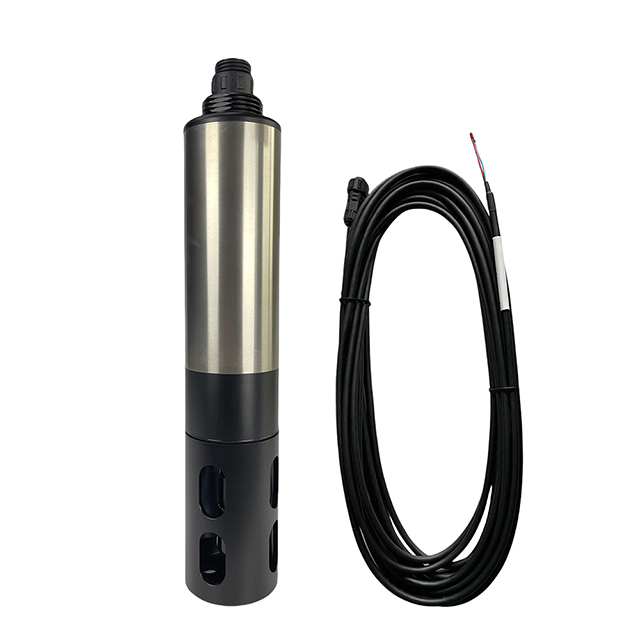
Scattered light technology is a common optical method in water quality sensors. It works by shining a light—usually a laser or LED—into water. When particles, such as sediments or pollutants, are present, they scatter the light in different directions. Sensors detect this scattered light to estimate particle concentration and water clarity. This technology is especially useful for measuring turbidity, which indicates how clear or murky water is. It provides quick, real-time data, making it ideal for continuous monitoring in industrial and environmental settings.
Microscopy techniques involve examining water samples under a microscope to identify and count microorganisms, particles, or pollutants. This method offers detailed, visual insights into water quality. For example, microbiologists can spot harmful bacteria like E. coli or algae blooms that might not be detectable with other sensors. While microscopy provides high accuracy, it usually requires laboratory analysis or portable microscopes for on-site testing. Advances now include digital microscopes connected to computers, enabling rapid analysis and data sharing.
Fluorescence sensors detect specific substances by measuring their fluorescence—light emitted after absorbing energy from a light source. Many pollutants, such as oil or organic compounds, fluoresce under certain wavelengths. This method allows for sensitive, selective detection of contaminants. Ultra sonics, on the other hand, use sound waves to measure water properties. They can determine parameters like flow rate, level, or the presence of bubbles and particles. Combining fluorescence and ultrasonic technologies enhances the ability to monitor multiple water quality aspects simultaneously.
Automated sensors are vital in modern water monitoring. They are designed for continuous, real-time data collection without human intervention. These devices typically include multiple sensors integrated into a single unit, capable of measuring parameters like pH, conductivity, turbidity, dissolved oxygen, and temperature. Data from these sensors are transmitted wirelessly to central systems, allowing for instant analysis. Automated sensors reduce labor costs, improve data accuracy, and enable rapid responses to water quality issues. They are widely used in industrial processes, municipal water treatment, and environmental monitoring.
Tip: Consider deploying multi-parameter automated sensors for comprehensive, real-time water quality data, especially in critical industrial or environmental applications.
Water monitoring sensors play a crucial role in many industrial processes. Factories often use water for cooling, cleaning, or as part of their production lines. Sensors help ensure this water meets quality standards to avoid damaging equipment or affecting product quality. For example, in oil and gas industries, sensors monitor oil content in water to prevent pollution and optimize separation processes. In manufacturing plants, sensors track pH, turbidity, and dissolved oxygen to maintain safe and efficient operations. Real-time monitoring allows quick adjustments, reducing downtime and costs.
Marine and offshore environments face strict regulations to protect oceans from pollution. Water monitoring sensors help ships and offshore platforms comply with these rules by continuously checking water discharged into the sea. Sensors detect oil, chemicals, and other pollutants to ensure discharge limits are not exceeded. For instance, ballast water treatment systems use sensors to monitor water quality before release, preventing invasive species spread. Offshore oil rigs rely on sensors to monitor produced water, ensuring it meets environmental standards before disposal. These sensors support legal compliance and reduce environmental impact.
Water treatment plants depend heavily on monitoring sensors to maintain water safety and quality. Sensors measure parameters like pH, turbidity, chlorine residual, and bacteria levels throughout treatment stages. This data helps operators optimize filtration, disinfection, and chemical dosing. Continuous monitoring detects contamination early, preventing unsafe water from reaching consumers. Automated sensors also reduce manual testing, saving time and labor. In industrial water treatment, sensors ensure treated water meets specific quality requirements for reuse or discharge, protecting both public health and the environment.
Water quality monitoring faces many environmental and logistical hurdles. Harsh conditions like extreme temperatures, high pressure, or corrosive environments can damage sensors or affect accuracy. For example, offshore oil rigs operate in rough seas and salty air, making sensor maintenance difficult. Remote locations often lack easy access, complicating installation and regular servicing. These challenges require robust, durable sensors designed to withstand tough conditions. Additionally, natural variability in water bodies, such as tides or seasonal changes, can cause fluctuations in readings, making consistent monitoring tricky.
Cost is a major factor in water quality monitoring. High-quality sensors and automated systems can be expensive to buy and maintain. Industries must balance upfront investment against long-term benefits like compliance and risk reduction. Operating costs include calibration, repairs, and data management. In some cases, frequent manual sampling and lab analysis add to expenses. Budget constraints may limit monitoring frequency or the number of parameters tested, potentially reducing data quality. However, failing to monitor adequately risks regulatory fines, environmental harm, and reputational damage, which often prove costlier.
Though water monitoring technology has advanced, limitations remain. Some sensors struggle to detect very low concentrations of pollutants or differentiate between similar substances. For example, oil-in-water sensors may have difficulty distinguishing oil types or separating oil from natural organic matter. Sensor fouling caused by biofilms or sediment buildup can degrade performance over time. Data transmission in remote areas can be unreliable, delaying alerts. Integration of multiple sensors into a unified system sometimes presents compatibility issues. Continuous innovation is needed to improve sensitivity, durability, and ease of use while reducing false alarms and maintenance needs.
As technology advances, the future of water quality monitoring looks more innovative and efficient. New tools and systems are making it easier to gather accurate data in real-time, no matter where the water source is located. For example, miniaturized sensors with higher sensitivity can detect even tiny amounts of pollutants. These devices are becoming more durable, able to withstand harsh environments like deep-sea or desert conditions.
One exciting development is the integration of artificial intelligence (AI) with monitoring systems. AI can analyze vast amounts of data quickly, spotting patterns or anomalies that might go unnoticed. This means potential issues can be identified early, allowing for faster responses. For industries, this could mean fewer disruptions, lower costs, and better compliance with regulations.
Additionally, advances in wireless communication technology enable remote monitoring. Sensors can transmit data directly to cloud-based platforms, where it’s analyzed and stored. This trend reduces the need for manual inspections, saves time, and enhances accuracy. Remote access allows operators to check water quality from anywhere—whether they are on-site or miles away. This is especially useful in hard-to-reach locations like offshore platforms or remote lakes.
The future also includes smart water monitoring networks. These systems can connect multiple sensors across large water bodies or industrial sites. They provide a comprehensive view of water conditions, helping managers make informed decisions quickly. For example, a network of sensors in a river could alert authorities if pollution levels spike, preventing environmental damage.
In summary, technological breakthroughs are making water quality monitoring more precise, faster, and accessible. Combining sensors with AI and remote communication creates a powerful tool to protect water resources. These innovations will help industries, governments, and communities respond more effectively to water challenges.
The integration of data analytics with water monitoring systems offers a new level of insight. Instead of just collecting raw data, advanced analytics interpret trends, predict future issues, and optimize processes. For example, historical data can reveal seasonal pollution patterns, guiding proactive measures. Machine learning algorithms can forecast when equipment might fail or when water quality might drop below safe levels. This predictive approach reduces risks and maintenance costs.
Data analytics also supports regulatory compliance. Automated reports generated from monitored data make it easier for companies to demonstrate adherence to standards. They can quickly identify violations and take corrective actions, avoiding penalties. Moreover, sharing data with stakeholders enhances transparency and builds public trust.
Remote monitoring is becoming the norm. It allows continuous oversight without physical presence, saving time and resources. Wireless sensors transmit data via cellular, satellite, or Wi-Fi networks to centralized systems. This setup is especially valuable in challenging environments like offshore oil rigs, large lakes, or rural water supplies.
Remote systems also enable rapid response to water quality issues. Alerts can be set up to notify operators immediately if parameters go out of range. They can then act swiftly to prevent contamination or equipment damage. This real-time feedback loop improves safety and reduces environmental impact.
Furthermore, remote monitoring supports large-scale water management. Multiple sensors across different locations feed data into a single platform, providing a holistic view. Managers can make data-driven decisions quickly, whether adjusting treatment processes or issuing pollution alerts.
Water quality monitoring is crucial for health and environmental protection, involving parameters like pH and turbidity. Sensors play a vital role in industries and marine compliance, ensuring water safety. Looking ahead, advancements in technology, such as AI integration and remote monitoring, promise more efficient water management. Leadmed Technology offers innovative solutions with advanced sensors, providing reliable data and enhancing compliance. Their products ensure accurate monitoring, catering to diverse industry needs, and supporting sustainable practices.
A: Water Monitoring Sensors are devices used to measure various parameters of water quality, such as pH, turbidity, and dissolved oxygen, to ensure safety and compliance with environmental standards.
A: Water Monitoring Sensors help industries maintain water quality for processes, ensure compliance with regulations, and prevent equipment damage by providing real-time data on water conditions.
A: Water quality monitoring is crucial for protecting human health, preserving ecosystems, and ensuring compliance with environmental regulations by detecting pollutants and other harmful substances in water.
A: Water Monitoring Sensors use technologies like scattered light, fluorescence, and ultra sonics to measure water quality parameters such as turbidity, oil content, and dissolved oxygen.
A: The cost of Water Monitoring Sensors varies based on the technology, parameters measured, and application, with prices ranging from a few hundred to several thousand dollars.


