
Views: 0 Author: Site Editor Publish Time: 2025-11-17 Origin: Site

Can turbidity sensors detect pollution in water? These innovative devices measure water clarity, indicating particle presence. Turbidity sensors play a crucial role in identifying pollution by detecting suspended solids, sediments, or pollutants. In this post, you'll learn about turbidity sensors, their function, and their importance in pollution detection across various sectors.
Turbidity refers to how clear or cloudy water appears. It measures the amount of particles suspended in water that scatter light. The more particles, the higher the turbidity, making water look murky or opaque. These particles include silt, clay, algae, organic matter, and tiny microorganisms. High turbidity often signals pollution, sediment runoff, or biological activity. It impacts water quality, safety, and ecosystem health.
Turbidity sensors detect water clarity by shining light into a water sample and measuring how much light is scattered or absorbed. When particles are present, they cause the light to scatter in different directions. Sensors capture this scattered light using photodetectors. The amount of scattered or absorbed light correlates with the concentration of particles in water. There are two main methods:
Light scattering: Sensors shine a light at a specific angle, usually 90 degrees, and measure the intensity of scattered light. This method is common in nephelometric sensors.
Light absorption: Sensors measure how much light passes straight through water. Particles absorb or block the light, decreasing the amount detected. This method is used in absorption sensors.
The sensor's electronics translate these light measurements into turbidity readings, typically expressed in Nephelometric Turbidity Units (NTU). These readings help determine water quality quickly and accurately.
Portable Sensors: Small, lightweight devices used in the field. Ideal for quick spot checks in rivers, lakes, or during environmental surveys. They are battery-powered and easy to operate, providing rapid results.
Inline Sensors: Installed directly into pipelines or water systems for continuous monitoring. They are durable, suitable for industrial or municipal water treatment plants. They provide real-time data, helping operators respond swiftly to water quality changes.
Benchtop Sensors: Larger, more precise instruments used in laboratories. They offer high-resolution measurements, suitable for research or quality control. They often feature automatic calibration and data logging.
Multiparameter Sensors: Combine turbidity measurement with other parameters like pH, temperature, or dissolved oxygen. They give a comprehensive view of water quality, simplifying data management and reducing equipment costs.
Turbidity sensors play a vital role in modern water treatment plants. They continuously monitor the clarity of water at various stages—before, during, and after filtration. When water enters a treatment facility, high turbidity levels often indicate the presence of suspended solids, sediments, or pollutants. Sensors detect these levels in real time, helping operators decide if additional filtration or chemical treatment is necessary.
In distribution networks, turbidity sensors ensure that clean, safe water reaches consumers. Sudden increases in turbidity may signal pipe leaks, sediment disturbances, or contamination events. Early detection allows quick responses, preventing contaminated water from reaching homes and businesses.
For example, a municipal water plant might install inline turbidity sensors at multiple points. If turbidity spikes after a storm or pipe repair, staff can promptly investigate and address issues, maintaining water safety standards.
Environmental agencies rely heavily on turbidity sensors to assess water quality in natural bodies like rivers, lakes, and oceans. Turbidity provides clues about soil erosion, runoff, or pollution from human activities. When sediment levels rise unexpectedly, it often signals erosion from construction sites, deforestation, or agriculture.
Sensors deployed in these water bodies send continuous data, helping scientists track changes over time. For instance, after heavy rains, turbidity levels in a river might spike due to land runoff. Monitoring this helps determine if pollution sources are active and whether ecosystems are at risk.
Turbidity sensors also assist in tracking harmful algal blooms. Excess nutrients from fertilizers can cause algae to grow rapidly, clouding the water. Early detection of increased turbidity helps manage and mitigate these events before they cause ecological damage or public health issues.
Many industries depend on clear water for their manufacturing and processing needs. Turbidity sensors help maintain water quality, ensuring processes run smoothly. For example, in food and beverage production, high turbidity could mean contaminated water, risking product safety. Sensors monitor water used in cleaning, mixing, or cooling, alerting staff to potential issues.
Power plants and chemical factories also use turbidity sensors to oversee water used in cooling systems or chemical reactions. Elevated turbidity might indicate sediment buildup or process contamination, which can damage equipment or compromise product quality.
In mining or manufacturing, turbidity sensors detect sediment or particulate matter that could clog filters or pipelines. This early warning enables maintenance before costly failures occur.
Turbidity sensors offer many advantages across different sectors. They help ensure water quality, protect ecosystems, and improve industrial processes. Here’s how they make a difference:
One of the most critical roles of turbidity sensors is in providing safe drinking water. They continuously monitor water clarity at treatment plants, giving real-time data on particle levels. High turbidity often means the presence of bacteria, viruses, or pollutants that could harm health. If sensors detect rising turbidity, treatment processes can be adjusted immediately—adding chemicals, increasing filtration, or disinfecting water more thoroughly.
This proactive approach minimizes health risks. It also helps water authorities meet strict safety standards set by government agencies. For example, the U.S. Environmental Protection Agency (EPA) requires turbidity to stay below 1 NTU (Nephelometric Turbidity Units) in drinking water. Turbidity sensors make it easier to stay compliant and deliver clean, safe water to communities.
High turbidity impacts aquatic ecosystems. Murky water limits sunlight penetration, affecting plant growth and oxygen levels. Suspended particles can clog fish gills or smother habitats. Turbidity sensors help monitor these changes, especially in sensitive environments like rivers, lakes, and fish farms.
In aquaculture, maintaining optimal turbidity levels supports healthy fish growth. Sudden increases might indicate erosion, runoff, or pollution from nearby construction or agriculture. Early detection allows quick action—like adjusting filtration or controlling runoff—to prevent harm to aquatic life.
Industries depend on clear water for manufacturing, processing, and cooling. Turbidity sensors ensure water used in these processes meets quality standards. For example, in food production, high turbidity can indicate contamination, risking product safety.
Sensors help detect issues early—clogged filters, sediment buildup, or chemical imbalances. This prevents costly equipment damage and reduces downtime. They also support regulatory compliance, ensuring wastewater discharge meets environmental standards.
In power plants and chemical factories, maintaining low turbidity improves process efficiency. It reduces the risk of clogging pipelines or damaging machinery. Overall, turbidity sensors contribute to cost savings and smoother operations.
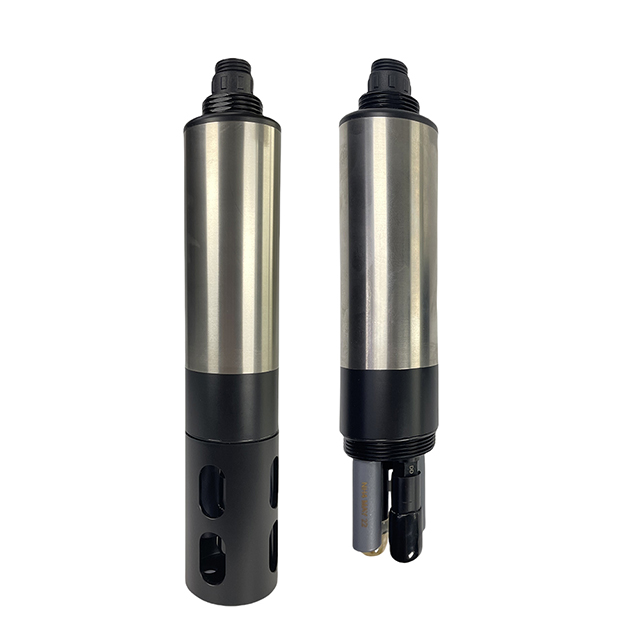
Turbidity sensors measure water clarity by detecting scattered light caused by particles. However, not all particles are equal. Different types of suspended solids—like silt, clay, organic debris, or algae—can affect light scattering in diverse ways. Some particles may absorb light, others reflect it differently, causing the sensor to misinterpret turbidity levels.
For instance, organic matter may cause more light absorption but less scattering, resulting in lower turbidity readings than actual particle concentration. Conversely, air bubbles or oil droplets can scatter light unusually, falsely elevating turbidity values. This interference can make it difficult to distinguish pollution caused by sediment from other sources.
In wastewater or industrial effluents, complex mixtures of particles complicate readings further. Sensors might detect suspended solids but cannot always identify their nature or toxicity. This limitation means turbidity sensors alone cannot fully characterize pollution types, requiring complementary tests for comprehensive water quality assessment.
Ambient light conditions can influence turbidity sensor accuracy, especially in open water or field applications. Natural sunlight varies throughout the day due to cloud cover, angle, or water surface reflections. These fluctuations can change how much light the sensor detects, causing inconsistent measurements.
For example, a sensor placed near the water surface may pick up stray sunlight or shadows, leading to noisy data. Turbidity sensors using optical methods must be carefully shielded or calibrated to minimize such effects. Some advanced sensors include compensation algorithms or use modulated light sources to reduce ambient light interference.
In addition, water color changes due to dissolved substances like tannins or humic acids can alter light absorption, affecting turbidity readings. These dissolved compounds do not cause turbidity but can still impact sensor output, potentially confusing pollution detection efforts.
Turbidity sensors measure overall light scattering but cannot easily differentiate particle sizes or types. Small particles scatter light differently than larger ones, and their impact on water quality varies. Fine clay particles may remain suspended longer and affect aquatic life differently than coarse sand or organic debris.
This inability to distinguish particle size limits the sensor's usefulness in pollution source identification. For example, sediment runoff from construction sites often contains larger particles, while algal blooms consist of microscopic organisms. Both raise turbidity but have different ecological and treatment implications.
Some sophisticated sensors attempt to estimate particle size distribution by analyzing scattering patterns at multiple angles. Yet, these devices are more complex and costly, limiting widespread use. For many applications, turbidity sensors provide a general pollution indicator but must be supplemented with laboratory analysis for detailed insights.
Tip: When selecting turbidity sensors, consider environmental factors and particle characteristics to minimize measurement errors and improve pollution detection accuracy.
The future of turbidity monitoring is increasingly connected. Smart sensors equipped with Internet of Things (IoT) technology are transforming how we track water quality. These sensors can wirelessly transmit data in real time to centralized systems, making manual sampling less necessary. They enable continuous, remote monitoring across multiple locations—ideal for large-scale water treatment plants, environmental conservation, and industrial sites.
With IoT integration, sensors can send alerts automatically if turbidity levels spike unexpectedly. This rapid response helps prevent contamination, protect ecosystems, and ensure safe drinking water. Advanced analytics and machine learning algorithms analyze the incoming data, identifying patterns or predicting future issues. For example, if a river's turbidity rises after a storm, authorities can act swiftly to mitigate pollution or adjust treatment processes.
Furthermore, IoT-enabled sensors facilitate data sharing among stakeholders. Water managers, environmental agencies, and industries can access real-time information on smartphones or dashboards. This transparency improves decision-making and streamlines maintenance schedules. Overall, IoT integration makes turbidity monitoring smarter, more efficient, and highly responsive.
Many water bodies and industrial sites are in remote locations where power sources are limited. Future turbidity sensors focus on low energy consumption. These sensors use innovative power management techniques, allowing them to operate for months or even years on a single battery or solar power.
Energy-efficient sensors help reduce operational costs. They are ideal for long-term environmental monitoring, aquaculture, or agricultural water management. For example, solar-powered sensors placed in a river can continuously track turbidity without frequent battery replacements. This sustainability supports large-scale deployments in hard-to-reach areas.
Advances in low-power electronics and sleep modes enable sensors to conserve energy during periods of inactivity. Some sensors incorporate energy harvesting technologies, like small wind or solar panels, to recharge themselves. These designs make water quality monitoring more sustainable and less labor-intensive.
Portability is key for many applications. Miniaturized turbidity sensors are becoming smaller, lighter, and more rugged. They fit easily into handheld devices, drones, or small autonomous watercraft. This portability allows quick, on-the-spot measurements in lakes, rivers, or industrial sites.
Compact sensors simplify installation in existing systems. They can be integrated into pipelines, tanks, or even home water filters. Their small size reduces space requirements and makes maintenance easier. For example, a portable sensor can be used by field workers to assess multiple sites rapidly, providing immediate data for decision-making.
These sensors are also more versatile. They can be used in emergency situations, research projects, or community water testing. Their affordability and ease of use encourage broader adoption, especially in areas lacking extensive infrastructure.
Selecting the right turbidity sensor is key to getting accurate readings and reliable performance. You want a sensor that fits your specific needs, environment, and budget. Here are the main factors to consider:
Think about where and how you’ll use the sensor. For quick field checks, portable sensors are best. They’re lightweight, battery-powered, and easy to carry around. Perfect for environmental surveys or spot testing in rivers and lakes.
If you need constant monitoring, inline sensors are the way to go. These install directly into pipelines or water systems. They provide real-time, continuous data, ideal for water treatment plants or industrial processes.
For detailed lab analysis, benchtop sensors offer high precision and advanced features. They’re great for research or quality control where accuracy is critical.
Multiparameter sensors combine turbidity with other measurements like pH or temperature. These are useful when you want a fuller picture of water quality using one device.
Different settings require different ranges of turbidity detection. Clear water, like drinking water or aquaculture ponds, needs sensors sensitive to low turbidity levels. They detect even small changes to maintain safety and health.
Wastewater or sediment-heavy water demands sensors that handle high turbidity. These sensors cover a broader range, ensuring they don’t get overwhelmed by dense particle concentrations.
Choosing a sensor with the right measurement range avoids inaccurate readings or sensor damage.
Your sensor must withstand the conditions it faces. For outdoor or harsh environments, look for sensors made from corrosion-resistant materials like stainless steel or coated plastics.
Weatherproof and rugged designs protect sensors from rain, dust, and physical impacts. Check the IP rating to confirm water and dust resistance.
If the sensor goes underwater or into chemical-rich water, durability is essential to prevent failure or frequent replacements.
Modern turbidity sensors often connect to data systems for monitoring and analysis. Make sure the sensor supports your existing setup, whether that’s analog signals, digital protocols like Modbus or RS485, or wireless communication.
Some sensors come with software or apps for data visualization and reporting. Integration with IoT platforms allows remote access and real-time alerts, boosting efficiency.
Consider future upgrades too. Choosing a sensor compatible with emerging technologies can save costs down the line.
Tip: When choosing turbidity sensors, match the device to your specific application’s environment and data needs to maximize accuracy and system integration.
Turbidity sensors play a vital role in detecting water pollution by measuring particle concentration. They are essential in ensuring safe drinking water, protecting aquatic life, and enhancing industrial processes. The future of turbidity sensors looks promising with advancements in smart technology and IoT integration, leading to more efficient environmental monitoring. Leadmed Technology offers cutting-edge turbidity sensors that provide accurate, real-time data, ensuring effective pollution detection and water quality management. Their products deliver exceptional value in maintaining clean and safe water environments.
A: Turbidity sensors are used to measure water clarity by detecting light scattering caused by suspended particles. They help identify pollution, sediment runoff, and biological activity in water bodies.
A: Turbidity sensors detect pollution by measuring the amount of light scattered or absorbed by particles in water. High turbidity often indicates the presence of pollutants like sediments or organic matter.
A: Turbidity sensors are crucial in water treatment as they monitor water clarity, ensuring safe drinking water by detecting suspended solids and pollutants early for timely intervention.
A: There are portable, inline, benchtop, and multiparameter turbidity sensors, each designed for specific applications like field checks, continuous monitoring, lab analysis, and comprehensive water quality assessment.


