
Views: 0 Author: Site Editor Publish Time: 2025-11-25 Origin: Site

Ever wondered why some water appears cloudy or murky? This is often due to Total Suspended Solids (TSS), which are tiny particles floating in water. Measuring TSS is crucial for ensuring water quality and preventing environmental harm. In this post, you'll learn about TSS, its impact, and how TSS sensors aid in accurate measurement.
Total Suspended Solids (TSS) refer to tiny particles that remain floating or suspended in water. These particles are larger than 2 microns and include both inorganic and organic matter. Inorganic particles might be gravel, sand, or silt, while organic matter includes algae, plankton, decaying plants, and animal remains. Because these particles are visible or can be seen under a microscope, they give water a cloudy appearance.
While TSS and turbidity both relate to water clarity, they measure different things. TSS quantifies the actual weight of particles suspended in water, usually in milligrams per liter (mg/L). It involves filtering a water sample, drying, and weighing the residues. Turbidity, on the other hand, measures how particles scatter light as it passes through water. Turbidity is expressed in Nephelometric Turbidity Units (NTU) and is often measured on-site with portable devices.
The key difference: TSS provides a precise weight-based measurement of solids, whereas turbidity offers an immediate, visual estimate based on light scattering. Turbidity can be affected by particle shape, color, and distribution, which means it might not always directly correlate with TSS levels. For example, a sample with high turbidity might have low TSS if particles are small or transparent.
High TSS levels can harm water quality significantly. When water contains many suspended particles, it becomes cloudy, reducing sunlight penetration. This affects aquatic plants that rely on sunlight for photosynthesis, leading to lower oxygen levels. Excess solids can also clog fish gills, smother habitats, and disturb aquatic life.
In industrial and wastewater settings, elevated TSS can cause operational issues. Particles may clog pipes, damage equipment, and reduce the efficiency of water treatment processes. For example, in wastewater treatment plants, high TSS can hinder filtration and sedimentation, making it harder to produce clean effluent.
Moreover, TSS often indicates pollution sources like runoff from agriculture, mining, or urban areas. These sources introduce sediments, nutrients, and pollutants into water bodies, degrading ecosystems. Elevated TSS can also carry attached contaminants, such as heavy metals or bacteria, further threatening environmental health.
Understanding TSS helps us gauge water's cleanliness and ecological health. Measuring it accurately allows regulators, scientists, and industries to identify pollution sources, optimize treatment processes, and ensure water safety. Since TSS directly impacts water clarity, aquatic life, and infrastructure, monitoring it remains a critical component of water quality management.
Tip: Regular calibration of TSS measurement equipment ensures accuracy, especially when monitoring variable water sources.
The gravimetric analysis remains the most common and reliable method for measuring Total Suspended Solids (TSS). This technique involves filtering a known volume of water through a pre-weighed glass fiber or cellulose ester membrane filter. Particles larger than 2 microns are captured on the filter. After filtration, the filter is dried in an oven at 103-105°C until a constant weight is achieved—meaning no further weight loss occurs. The difference in weight before and after filtration indicates the amount of suspended solids in the sample.
This method is highly versatile, suitable for various water types, including drinking water, surface water, saline water, and wastewater. Its practical range typically spans from 4 mg/L to 20,000 mg/L, making it applicable across different industries and environmental conditions.
EPA Method 160.2 standardizes the gravimetric approach for TSS measurement. It specifies using a millipore AP-40 membrane filter with a pore size of 0.7 microns, ensuring consistent results across laboratories. The process involves collecting a specific sample volume—usually 100 mL—filtering it, and then drying the filter at the specified temperature. The dried filter is weighed, and the residue's weight is used to calculate TSS concentration.
This method emphasizes precise sample handling, including avoiding non-representative debris like leaves or sticks, which can skew results. Proper sample preservation involves refrigerating or cooling samples at 4°C to prevent microbial activity that might alter the solids before analysis.
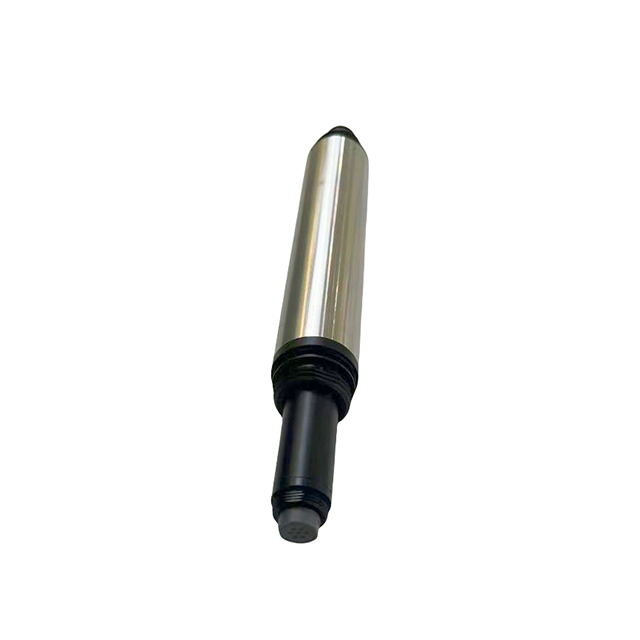
Recent technological advances have introduced real-time, in-situ sensors for TSS measurement. These sensors utilize optical or electrochemical principles to estimate suspended solids without the need for laboratory filtration. For example, turbidity sensors, which measure light scattering, can be calibrated to approximate TSS levels, providing rapid feedback.
Some sensors combine multiple measurement techniques, such as turbidity and backscatter, to improve accuracy. These devices are especially useful in continuous monitoring applications, like wastewater treatment plants or industrial processes, where immediate data helps optimize operations.
Proper sample collection is critical. Use clean, non-reactive containers, avoiding contamination. When collecting samples, fill containers without trapping air bubbles, and avoid disturbing sediments at the bottom of water bodies.
Samples should be analyzed as soon as possible to prevent changes in solids due to microbial activity or evaporation. If immediate testing isn't feasible, refrigerate samples at 4°C and analyze within 24 hours. For longer storage, samples can be preserved by adding preservatives or freezing, but this may affect certain measurements.
Choosing the right method depends on your needs. Gravimetric analysis offers accuracy and is widely accepted for regulatory compliance. EPA Method 160.2 standardizes this process, ensuring consistency. Advanced sensor technologies enable real-time, continuous monitoring, ideal for industrial and environmental applications.
Proper handling and preservation of water samples are crucial for accurate Total Suspended Solids (TSS) measurement. Mishandled samples can lead to misleading results, affecting decisions in environmental monitoring and treatment processes.
Use Clean Containers: Always collect samples in clean, non-reactive containers such as glass or high-quality plastic. Avoid containers that previously held chemicals or detergents.
Avoid Contamination: Do not touch the inside of the container or lid. Use gloves if necessary to prevent contamination.
Sample Volume: Collect enough volume to allow for multiple tests if needed. Typically, 1 liter is sufficient for most TSS analyses.
Minimize Disturbance: When sampling from rivers, lakes, or tanks, avoid stirring up sediments at the bottom. Collect water from just below the surface or at mid-depth to get a representative sample.
No Air Bubbles: Fill containers carefully to avoid trapping air bubbles, which may affect the sample's integrity.
Analyze Quickly: TSS samples should be analyzed as soon as possible, ideally within 24 hours. Delays can cause particles to settle or biological activity to change solids concentration.
Refrigeration: If immediate analysis isn't possible, store samples at 4°C (refrigerated). This slows microbial growth and reduces changes in suspended solids.
Do Not Freeze: Freezing water samples can cause particle aggregation or breakage, altering TSS results.
Avoid Preservatives: Chemical preservatives are generally not recommended for TSS samples because they can dissolve or alter suspended solids.
Transport: During transport, keep samples cool and upright to prevent agitation or settling.
Exclude Non-Representative Debris: Remove large debris like leaves, sticks, or insects before testing as they can skew results.
Label samples clearly with date, time, and location.
Record environmental conditions (temperature, weather) that might affect sample quality.
Use field blanks and replicate samples to check for contamination and sampling consistency.
Total Suspended Solids (TSS) measurement plays a vital role across various water-related industries. Understanding TSS levels helps manage water quality, protect the environment, and optimize treatment processes. Here, we explore key applications of TSS measurement.
In wastewater treatment, TSS testing is essential for tracking the amount of suspended particles in influent and effluent. High TSS levels in raw wastewater indicate significant solid waste, including organic matter like food scraps and inorganic particles like sand. Monitoring TSS helps operators:
Evaluate treatment efficiency by comparing influent and effluent solids.
Adjust processes such as sedimentation, filtration, and biological treatment.
Prevent equipment clogging and damage caused by excessive solids.
Ensure compliance with discharge permits limiting TSS in treated water.
For example, a treatment plant may use TSS data to optimize clarifier performance, reducing solids in the final effluent. Consistent TSS monitoring prevents environmental harm by limiting solid discharge into rivers or lakes.
Drinking water sources vary widely, from clear groundwater to turbid surface water. Measuring TSS helps water utilities:
Assess source water quality and identify contamination events.
Optimize coagulation and flocculation by knowing solids concentration.
Protect filters from overload by monitoring solids load.
Ensure treated water clarity meets health and aesthetic standards.
For instance, sudden increases in TSS can signal upstream erosion or algal blooms. Utilities can respond by adjusting chemical dosing or increasing filtration rates. Monitoring TSS during filter backwash also helps optimize cleaning schedules and conserve resources.
Industrial operations often require stringent water quality control. TSS measurement supports:
Cooling water systems by preventing sediment buildup and corrosion.
Process water treatment for manufacturing consistency.
Wastewater discharge control to meet regulatory limits.
Environmental monitoring around industrial sites.
Power plants, for example, monitor TSS to avoid fouling heat exchangers. Food and beverage industries track TSS to maintain hygiene and product quality. Real-time TSS sensors enable quick detection of changes, allowing prompt corrective actions.
Measuring Total Suspended Solids (TSS) accurately can be tricky. Several common challenges can affect the reliability of results, but technological innovations are helping to overcome these issues.
Sample Contamination: Samples can easily become contaminated during collection or handling. Dirt, debris, or microbial activity can alter the solids content, leading to inaccurate readings.
Particle Size Variability: Different particles settle or stay suspended based on their size and shape. This variability complicates measurement, especially when using standardized methods.
Sample Preservation: Delays in analysis cause particles to settle or microbes to grow, changing TSS levels. Improper storage, such as exposure to high temperatures or freezing, can also distort results.
Filter Fouling: During filtration, fine particles or organic matter can clog filters, making it difficult to process samples efficiently. This can lead to underestimation of TSS.
Equipment Calibration: Instruments like filters, balances, and sensors need regular calibration. Drift or inaccuracies in calibration can cause errors, especially in continuous monitoring setups.
Environmental Interferences: Water color, dissolved substances, or the presence of oils can interfere with optical sensors, leading to false readings.
Advanced Sensor Technologies: Modern sensors, such as optical or electrochemical devices, provide real-time TSS data. They reduce reliance on manual filtration and drying, saving time and improving consistency.
Automated Filtration Systems: Automated systems like the WaterVac Filtration System streamline sample processing. They feature multiple stainless steel filters, built-in pumps, and waste collection, reducing manual effort and contamination risk.
Calibration and Maintenance Protocols: Regular calibration against standard reference materials ensures sensor accuracy. Automated calibration routines and self-diagnostic features help maintain performance.
In-line Monitoring: Continuous in-line sensors installed in water systems provide real-time data. They detect fluctuations immediately, enabling quick responses to process changes.
Improved Filter Materials: Using filters with smaller pore sizes or specialized coatings minimizes fouling and enhances particle retention, leading to more accurate measurements.
Data Integration: Combining TSS sensors with other water quality parameters, like turbidity or pH, offers a comprehensive view. It helps identify sources of interference and improves data interpretation.
To ensure accurate TSS measurement, it's crucial to follow proper sampling protocols. Collect samples using clean, non-reactive containers. Analyze samples promptly or store them at 4°C to prevent changes. Regularly calibrate equipment, and use appropriate filters based on water clarity.
Adopting advanced technologies like in-situ sensors and automated filtration reduces human error and increases measurement reliability. Combining these solutions with good sampling practices ensures better water quality management and regulatory compliance.
Monitoring Total Suspended Solids (TSS) is vital for meeting environmental regulations. Governments set permissible TSS limits to protect water bodies from pollution. For example, the U.S. Environmental Protection Agency (EPA) typically requires TSS levels in wastewater discharged into surface waters to stay below specific thresholds, often around 30 mg/L for secondary treatment standards. These standards aim to prevent excessive sedimentation, protect aquatic life, and maintain water clarity.
Different regions and industries may have their own standards. In the European Union, the Urban Wastewater Treatment Directive sets limits for TSS in treated effluent. Similarly, local agencies might impose stricter rules based on water body sensitivity or usage. Industries like mining, construction, and manufacturing must regularly test TSS to ensure compliance.
Regulatory agencies often require routine reporting. They might mandate monthly or quarterly TSS measurements at discharge points. Failing to meet these standards can lead to penalties, fines, or the suspension of operations. Therefore, consistent TSS testing helps industries avoid legal issues and demonstrates their commitment to environmental responsibility.
Beyond regulatory compliance, TSS testing plays a crucial role in environmental health. Elevated TSS levels can harm ecosystems by reducing water transparency, which affects photosynthesis in aquatic plants. This decrease in plant life can lower oxygen levels, threatening fish and other aquatic animals.
High TSS also causes sediment buildup in rivers and lakes, leading to habitat destruction. Sediments can carry attached pollutants like heavy metals, nutrients, and bacteria, further degrading water quality. Monitoring TSS helps identify pollution sources, such as runoff from agriculture, urban areas, or construction sites.
In wastewater treatment, TSS testing ensures treatment processes effectively remove solids before water is released. It helps operators adjust processes like sedimentation, filtration, and biological treatment. This ensures the treated water meets safety standards and reduces environmental impact.
Regular TSS testing also supports proactive environmental management. It enables early detection of pollution spikes, allowing quick responses. For example, if TSS levels suddenly rise downstream of an industrial site, authorities can investigate and mitigate pollution sources promptly.
Implementing strict TSS monitoring aligns with broader environmental goals. It helps preserve water quality, protect aquatic ecosystems, and maintain public health. Industries, regulators, and environmental groups all benefit from accurate, consistent TSS testing.
Understanding Total Suspended Solids (TSS) is essential for water quality management. Key methods include gravimetric analysis and advanced sensor technologies. Accurate TSS measurement supports regulatory compliance and environmental protection. Future trends in TSS measurement involve real-time, in-situ sensors for continuous monitoring. Leadmed Technology offers innovative solutions for TSS testing, ensuring precise and reliable data, enhancing operational efficiency, and contributing to sustainable water management.
A: Unlike gravimetric methods, a TSS Sensor offers immediate feedback and continuous monitoring, enhancing operational efficiency and reducing manual errors.
A: Regular calibration ensures a TSS Sensor provides accurate data, crucial for compliance with environmental standards and effective water quality management.
A: Yes, a TSS Sensor can promptly detect fluctuations in suspended solids, allowing for quick corrective actions in water treatment processes.
A: TSS Sensors are cost-effective as they streamline monitoring processes, reduce labor costs, and help maintain regulatory compliance efficiently.


