
Views: 0 Author: Site Editor Publish Time: 2025-12-01 Origin: Site

Ever wondered what lurks in your water? Total Suspended Solids (TSS) play a significant role in water quality. High TSS levels can harm ecosystems and human health. In this post, you'll learn about TSS, its impact on water quality, and how TSS sensors help monitor and manage these levels effectively.
Acceptable TSS levels vary depending on local, state, and federal regulations. These standards aim to protect water quality and aquatic life by limiting suspended solids discharged into water bodies. For example:
Municipal Sewer Discharge (POTW): Typically capped at about 350 mg/L.
Surface Water Discharge (NPDES Permit): Often restricted to below 30 mg/L.
Water Reuse or Recycling: Limits can be stricter, sometimes under 10 mg/L.
Drinking Water: Post-treatment TSS should be exceptionally low, usually less than 1 mg/L.
Regulators set these limits based on the receiving water's sensitivity and the potential environmental impact. Industry-specific permits may impose even tighter restrictions to prevent ecosystem damage and health risks.
Raw Wastewater: Typically contains high TSS, ranging from 150 to 330 mg/L, due to organic and inorganic particles.
Treated Wastewater: After primary and secondary treatment, TSS can drop below 25 mg/L, suitable for discharge under most permits.
Surface Water: Natural sources like rivers or lakes generally have low TSS, often under 10 mg/L, but can rise after heavy rainfall or runoff.
Industrial Effluent: Levels depend on the industry; food processing or dairy plants may have moderate TSS, while construction runoff can be higher.
Environmental Harm: Excess solids reduce light penetration, harming aquatic plants and disrupting ecosystems. Sediment buildup can smother fish eggs and benthic organisms.
Oxygen Depletion: High TSS increases biological oxygen demand, lowering dissolved oxygen critical for aquatic life.
Health Risks: Suspended solids may carry pathogens or toxic substances, posing risks to human health if water is used for recreation or drinking.
Regulatory Penalties: Facilities exceeding limits risk fines, permit revocation, or costly remediation.
Operational Issues: Elevated TSS can clog treatment equipment, increase maintenance costs, and reduce treatment efficiency.
Tip: Always verify your facility's specific TSS discharge limits through your local regulatory agency to design effective treatment systems and avoid compliance issues.
Total Suspended Solids (TSS) in water often originate from natural processes. One major natural source is erosion, where wind or water wears away soil, rocks, and sediments. This process releases particles like silt, clay, and organic matter into water bodies such as rivers and lakes. Heavy rainfall or flooding can accelerate erosion, leading to a spike in TSS levels. Algae growth and decaying plant or animal matter also contribute to suspended solids, especially in nutrient-rich environments. These natural sources are usually consistent but can fluctuate with weather patterns and seasonal changes.
Humans significantly influence TSS levels through various activities. Urban runoff from streets, parking lots, and construction sites carries dirt, oils, and debris into nearby water bodies. Construction activities disturb soil, creating large amounts of sediment that wash into streams and lakes during rainstorms. Agricultural runoff adds organic material, pesticides, and soil particles, especially from plowing and tilling. Wastewater discharges from households and industries can contain high levels of suspended solids if not properly treated. Improper land management and deforestation also increase erosion, further elevating TSS in water sources.
Different industries produce unique TSS profiles based on their processes. For example, the food and beverage sector, especially dairy and meat processing, generates wastewater rich in organic solids and fats. Construction and mining industries often release large quantities of soil, silt, and debris. Landfills and waste disposal sites contribute to TSS through leachate and runoff containing dirt, plastics, and other particulates. Textile manufacturing may release fibers and dyes, adding to suspended solids. Each industry's contribution depends on its operations, waste management practices, and treatment efficiency. Proper control measures are vital to prevent excess TSS from harming ecosystems or violating regulations.
The gravimetric method is the most accepted and accurate way to measure Total Suspended Solids (TSS). It involves filtering a known volume of water through a pre-weighed glass fiber filter, usually with a pore size around 1.5 microns. After filtering, the filter is dried in an oven at about 103–105°C to remove moisture. Once cooled in a desiccator, the filter is weighed again. The difference in weight represents the mass of suspended solids in the sample. By dividing this mass by the volume of water filtered, we get the TSS concentration in milligrams per liter (mg/L). This method requires lab equipment and time but provides precise, reliable results.
Turbidity measures how much light scatters as it passes through water, expressed in Nephelometric Turbidity Units (NTU). While turbidity doesn't directly measure solids' mass, it can serve as a quick proxy for estimating TSS. To use turbidity for TSS estimation, you first establish a site-specific calibration curve by comparing turbidity readings with gravimetric TSS measurements over time. Once calibrated, turbidity sensors can provide real-time TSS estimates, helping facilities monitor water quality continuously. However, turbidity readings can be influenced by particle size, color, and shape, so they are less precise than gravimetric methods.
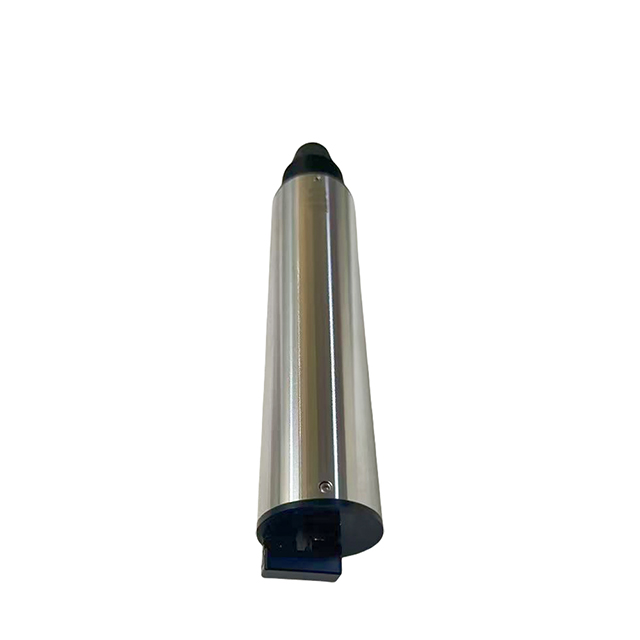
Modern TSS sensors offer automated, on-site measurement of suspended solids. These devices often use optical or acoustic technologies to detect particle concentration in water. Some sensors can measure TSS levels from very low concentrations (around 1 mg/L) up to high percentages of solids. They provide rapid, continuous data, allowing operators to track fluctuations and optimize treatment processes. However, sensors usually require calibration against lab-based gravimetric results to ensure accuracy. They are ideal for industrial plants or wastewater facilities needing real-time monitoring and quick response to TSS changes.
Reducing Total Suspended Solids (TSS) in wastewater is crucial for meeting regulatory limits and protecting the environment. Several effective techniques exist, each suited to different wastewater types and treatment goals.
Sand Filters: Water passes through layers of sand that trap particles. They are simple and cost-effective for moderate TSS removal.
Disc and Drum Filters: These use rotating filter media to capture solids. They provide continuous filtration and are good for high flow rates.
Pressure Filters: Operate under pressure to push water through fine media, capturing smaller particles.
MBRs combine biological treatment with membrane filtration. They use microorganisms to break down organic matter, then membranes filter out solids. Key features:
High TSS Removal: Membranes with pore sizes around 0.1 microns remove nearly all suspended solids.
Compact Footprint: MBRs require less space than traditional treatment plants.
Water Reuse Ready: Produce high-quality effluent suitable for reuse or discharge.
Coagulation: Chemicals like alum or ferric chloride neutralize particle charges.
Flocculation: Gentle mixing forms larger flocs from coagulated particles.
Sedimentation: Flocs settle to the bottom, allowing cleaner water to be separated.
This method is effective for fine or colloidal particles that filtration alone cannot remove. Chemicals must be carefully dosed to avoid excess sludge or water quality issues.
A centralized wastewater treatment facility faced challenges managing high levels of Biochemical Oxygen Demand (BOD), Chemical Oxygen Demand (COD), and Total Suspended Solids (TSS) in its wastewater. The local Publicly Owned Treatment Works (POTW) required significant reductions in organic load and suspended solids before discharge into the municipal sewer system.
To address this, the facility installed a combined bioFAS™ Moving Bed Biofilm Reactor (MBBR) system and a bioFLOW Membrane Bioreactor (MBR) system. The MBBR handled the bulk removal of BOD and COD through biological treatment in three 50,000-gallon bioreactors. The MBR then polished the effluent, concentrating biosolids and reducing TSS to very low levels.
This integrated approach achieved over 90% reduction in COD, nearly complete BOD elimination, and a significant drop in TSS. The effluent met all local POTW discharge limits with minimal operator intervention. The table below shows typical influent and effluent values:
| Parameter | Influent (mg/L) | Effluent (mg/L) / NTU |
|---|---|---|
| Wastewater Flow | 45,000 GPD | - |
| BOD | 15,000 | < 250 |
| COD | 25,000 | < 2,000 |
| TSS | 2,000 | 0.24 NTU |
| Turbidity | 2,000 | < 0.2 NTU |
A large dairy processing plant needed to reduce BOD, TSS, ammonia, and phosphorus in its process water to comply with a National Pollutant Discharge Elimination System (NPDES) permit for surface water discharge.
The solution was a bioPULSE™ Airlift Membrane Bioreactor (MBR) system. This system uses energy-efficient airlift external tubular membranes that are back-washable, ensuring high performance and low maintenance. The MBR provided advanced treatment to meet stringent effluent limits.
Performance highlights include:
Wastewater flow treated: 300,000 gallons per day (GPD)
BOD reduction: from 1,150 mg/L to less than 3.74 mg/L (>99%)
TSS reduction: from 350 mg/L to less than 6.9 mg/L (>98%)
Phosphorus removal: from 25 mg/L to less than 1 mg/L (>96%)
Ammonia reduced to less than 1 mg/L
| Parameter | Influent (mg/L) | Effluent (mg/L) |
|---|---|---|
| Wastewater Flow | 300,000 GPD | - |
| BOD | 1,150 | < 3.74 |
| TSS | 350 | < 6.9 |
| TKN | 20 | NA |
| Ammonia | NA | < 1 |
| Total Phosphorus | 25 | < 1 |
Integrated Systems Work Best: Combining biological treatment with membrane filtration achieves superior TSS removal.
Customization Matters: Tailoring technology to industry-specific wastewater characteristics improves outcomes.
Reduced Operator Burden: Automated systems minimize manual interventions, improving reliability.
Compliance Achieved: Meeting or exceeding regulatory limits avoids fines and protects the environment.
Sustainability Benefits: Advanced treatment supports water reuse and reduces environmental footprint.
Consistent monitoring of TSS levels is key to effective wastewater management. Regular measurement helps identify trends, detect problems early, and ensure compliance with discharge permits. Using reliable methods like TSS sensors or laboratory gravimetric tests provides accurate data. Automated sensors can deliver real-time results, allowing quick responses to fluctuations. Periodic lab testing confirms sensor accuracy and helps calibrate equipment. Establishing a monitoring schedule—weekly or monthly—depends on the wastewater flow and variability. This routine helps maintain process control and prevents violations that could lead to penalties or environmental harm.
Reducing TSS at its source is often the most cost-effective approach. Implementing erosion control measures like silt fences, vegetative buffers, and sediment basins prevents soil from washing into water bodies. Proper land management minimizes runoff carrying dirt and debris. For industries, process modifications can cut down solids entering wastewater. For example, adjusting cleaning procedures or using pre-treatment steps can significantly lower TSS levels. In construction sites, scheduling activities during dry weather and covering exposed soil reduces sediment runoff. These strategies not only improve water quality but also decrease treatment costs downstream.
Enhancing existing treatment systems boosts TSS removal efficiency. Proper operation and maintenance are crucial. Regularly inspecting equipment like clarifiers, filters, and membranes prevents clogging and ensures optimal performance. Upgrading to advanced technologies, such as membrane bioreactors or fine filtration units, can achieve lower TSS levels. Combining biological treatments with physical filtration often yields the best results. For instance, adding chemical coagulation can help settle fine particles that biological processes miss. Adjusting flow rates, retention times, and chemical dosages based on monitoring data keeps treatment processes running smoothly. Training staff to recognize and troubleshoot issues also plays a vital role.
Investing in modern treatment solutions offers long-term benefits. Membrane filtration, such as ultrafiltration or nanofiltration, provides high removal rates of suspended solids. Membrane bioreactors combine biological degradation with filtration, producing cleaner effluent. Chemical dosing with coagulants and flocculants helps aggregate tiny particles, making them easier to settle. These technologies require initial capital but often reduce operational costs over time. They also support stricter discharge standards and water reuse goals. Selecting the right technology depends on the specific wastewater characteristics, flow rates, and regulatory requirements.
Achieving sustainable TSS management requires a commitment to environmental compliance and long-term water sustainability. Future directions in TSS management focus on advanced technologies and innovative solutions. Leadmed Technology offers products that provide exceptional value by ensuring effective TSS reduction and supporting sustainable practices. Their solutions are designed to meet strict regulatory standards, enhancing water quality and operational efficiency.
A: A TSS Sensor is used to measure the concentration of total suspended solids in water, providing real-time data for monitoring water quality.
A: TSS Sensors offer continuous monitoring, helping facilities optimize treatment processes and ensure compliance with regulatory limits.
A: Maintaining acceptable TSS levels prevents environmental harm, regulatory penalties, and operational issues in water treatment facilities.


