

Have you ever wondered how scientists measure water quality? One key tool is the TSS sensor. This device measures total suspended solids, crucial for assessing pollution levels. In this post, you'll learn about TSS sensors, their principles, and applications in environmental monitoring, sewage treatment, and industrial processes.
Total Suspended Solids (TSS) refer to the amount of solid particles suspended in water. These particles include inorganic matter like silt and clay, organic matter such as decaying plant or animal material, microorganisms, and other insoluble substances. TSS is a key indicator of water quality because high levels can signal pollution or poor water management.
TSS sensors are devices designed to measure the concentration of suspended solids in water. They operate mainly based on optical or electrical principles. Optical TSS sensors analyze how light interacts with particles in water—either by measuring how much light is scattered or transmitted. Electrical sensors, on the other hand, assess how suspended particles influence electric or magnetic fields within the water.
Optical TSS Sensors: These sensors emit a beam of light into the water. When particles are present, they cause scattering or absorption of light. The sensor detects these changes to calculate TSS levels. Optical sensors are further divided into two measurement methods:
Scattered Light Principle: Detects how much light is scattered by particles. More scattering indicates higher TSS concentration.
Transmitted Light Principle: Measures how much light passes through water. Greater attenuation suggests more suspended solids.
Electrical TSS Sensors: These sensors measure changes in electrical or magnetic properties caused by suspended particles. They are less affected by water color or turbidity but may be sensitive to certain types of particles or environmental conditions.
Understanding TSS and how sensors measure it is crucial for water quality management. Optical sensors provide sensitive detection, especially for low TSS levels, but can be affected by bubbles or plankton. Electrical sensors are more stable in complex water environments but may have limitations with high TSS concentrations. Selecting the right sensor depends on specific application needs, water conditions, and measurement goals.
TSS sensors mainly use optical methods to measure suspended solids in water. They shine light of a specific wavelength through the water sample. When light hits suspended particles, it either scatters or gets absorbed. The sensor detects these changes and converts them into TSS concentration values using algorithms.
Scattered Light Principle: This method measures light scattered by particles. When particles are present, they scatter light in different directions. The sensor captures the intensity of this scattered light. More scattering means higher TSS levels.
Transmitted Light Principle: This method measures how much light passes through the water. Suspended solids block or absorb light, so less light reaches the detector when TSS is high.
The scattered light method is very sensitive to small particles. It can detect even low concentrations of suspended solids. However, it can be affected by other things that scatter light, like bubbles or plankton. This can cause fluctuations in the readings.
The transmitted light method faces less interference from water color or turbidity. It works well in complex water environments. But if TSS levels are very high, the light may weaken too much before reaching the sensor. This limits accuracy in such cases.
| Measurement Method | Principle Description | Advantages | Disadvantages |
|---|---|---|---|
| Scattered Light | Measures intensity of light scattered by particles | Highly sensitive; detects low TSS levels accurately | Affected by bubbles, plankton; causes data fluctuations |
| Transmitted Light | Measures light intensity after passing through water | Less interference from water color; good for complex water | May lose accuracy at very high TSS due to light attenuation |
These optical methods allow TSS sensors to provide fast and reliable measurements. Choosing the right method depends on water conditions and TSS concentration ranges.
Monitoring Total Suspended Solids (TSS) levels is vital for maintaining healthy water bodies. High TSS concentrations reduce water clarity, blocking sunlight penetration. This limits photosynthesis in aquatic plants, which form the base of many ecosystems. Without enough light, plant growth slows, affecting oxygen levels and food availability for aquatic animals.
TSS can also carry harmful pollutants like heavy metals or pathogens attached to particles. Elevated TSS often indicates pollution from runoff, erosion, or wastewater discharge. By tracking TSS levels, environmental agencies can detect pollution early and take action to prevent further damage.
Reduced Oxygen Levels: Decomposing organic solids consume oxygen, stressing fish and other organisms.
Habitat Disruption: Sediment buildup can smother fish eggs and benthic habitats.
Food Chain Effects: Changes in plant and microorganism populations ripple through the food web.
Toxicity: Pollutants bound to suspended solids harm sensitive species.
TSS sensors provide continuous, real-time data on water quality. This immediacy allows quick responses to pollution events, such as spills or storm runoff. Instead of relying on periodic lab tests, agencies get up-to-date information to guide decisions.
For example, sensors installed in rivers or lakes alert managers when TSS spikes, prompting investigations or temporary restrictions. This proactive approach helps protect drinking water sources and recreational areas.
Moreover, long-term TSS data helps track trends over time, assess the effectiveness of pollution control measures, and inform regulatory policies.
In sewage treatment, monitoring Total Suspended Solids (TSS) is crucial. TSS indicates how much solid matter remains in the water during different treatment stages. Sensors placed in key points—such as aeration tanks, clarifiers, and sedimentation basins—track TSS levels continuously. This real-time data helps operators understand how effectively solids are being removed.
For example, in activated sludge systems, TSS sensors monitor solids concentration in aeration tanks and secondary clarifiers. This informs adjustments to aeration rates or sludge recycling, ensuring the biological process works optimally. Without such monitoring, solids might accumulate or be discharged, causing environmental harm.
TSS sensors enable operators to optimize treatment processes by providing immediate feedback. When sensors detect high TSS levels, operators can increase aeration or adjust sludge return rates to improve settling and removal. Conversely, if TSS is too low, it might indicate excessive sludge wasting, risking treatment failure.
These sensors also help detect process upsets early, such as equipment malfunctions or changes in influent quality. Prompt responses reduce downtime and maintain effluent quality. Over time, data from TSS sensors supports process optimization, reducing energy use and chemical dosing, lowering operational costs.
Effective sewage management depends on controlling suspended solids before discharge or reuse. TSS sensors ensure treated water meets regulatory standards by continuously verifying solids removal. This prevents fines or shutdowns caused by permit violations.
Moreover, sensors improve safety by identifying abnormal solids loads that could clog pipes or damage equipment. They also reduce reliance on manual sampling, which is time-consuming and less frequent. Automated TSS monitoring supports sustainable sewage treatment, protecting public health and the environment.
In many industries, keeping an eye on Total Suspended Solids (TSS) in water is essential. Industries like papermaking, printing, dyeing, and food processing rely on water quality to maintain smooth operations. High TSS levels can cause problems such as clogging pipes, damaging equipment, or affecting product quality. TSS sensors provide real-time monitoring, allowing companies to quickly detect changes and take action before issues worsen.
For example, in paper manufacturing, suspended solids in process water can affect the paper's texture and strength. By using TSS sensors, operators can adjust water treatment steps immediately, ensuring consistent product quality. Similarly, in food processing, water with high TSS might introduce contaminants or affect the taste and safety of products. Continuous TSS monitoring helps maintain hygiene standards and product integrity.
Product quality often depends on water purity. Suspended solids can introduce impurities, discoloration, or uneven textures in finished goods. TSS sensors alert operators when solids exceed acceptable levels, enabling timely adjustments. This reduces waste, lowers rework costs, and improves customer satisfaction.
For instance, in textile dyeing, excess suspended solids can cause uneven dye uptake, leading to inconsistent colors. Using TSS sensors helps maintain water clarity, ensuring uniform dyeing results and reducing fabric defects.
TSS sensors also protect industrial equipment. Suspended solids can cause abrasion, blockages, or corrosion in pumps, filters, and pipes. Real-time TSS data helps maintenance teams schedule cleaning or repairs before breakdowns occur, minimizing downtime and repair costs.
In cooling towers or boilers, high TSS can reduce heat transfer efficiency and cause scaling. Monitoring TSS helps maintain optimal performance and prolongs equipment life.
In a large fish farm in Guangdong, water quality control was a major challenge. High Total Suspended Solids (TSS) levels caused fish diseases, slow growth, and poor breeding efficiency. After installing advanced TSS sensors, the farm could monitor water quality in real time. The sensors provided immediate feedback on TSS levels, enabling farmers to adjust water changes and feeding schedules precisely.
When TSS levels rose, the farm increased water changes promptly to improve water clarity and reduce harmful particles. When TSS was optimal, feeding amounts were increased to support faster fish growth. This targeted approach led to a 30% reduction in fish mortality and a 25% increase in production after just one breeding cycle. The TSS sensors played a key role in these improvements by providing accurate, timely data to guide decisions.
TSS sensors have proven valuable in many practical applications beyond fish farming:
Aquaculture: Sensors help maintain water quality, reduce disease outbreaks, and boost growth rates by enabling precise control of solids in tanks or ponds.
Water Treatment Plants: Real-time TSS monitoring ensures treatment efficiency and compliance with discharge standards, preventing environmental damage.
Industrial Processes: Continuous TSS data helps maintain product quality and protects equipment from damage caused by suspended solids.
Environmental Monitoring: Sensors detect pollution spikes quickly, allowing rapid response to protect aquatic ecosystems.
Tip: Use TSS sensor data to implement proactive water management strategies, improving outcomes in aquaculture and other water-dependent industries.
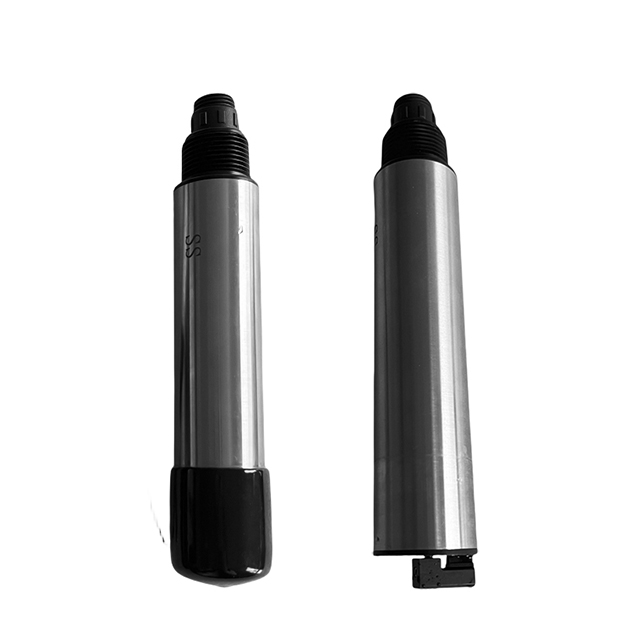
When comparing TSS sensors to traditional methods, several key factors come into play: accuracy, convenience, timeliness, and cost.
TSS sensors offer high accuracy by measuring suspended solids in real time. They reduce human error common in manual sampling and lab analysis. Traditional methods, like grab sampling followed by lab filtration and weighing, depend heavily on operator skill and timing. These methods can produce inconsistent results due to sample degradation or handling mistakes.
Sensors provide continuous monitoring, allowing instant detection of changes in TSS levels. This convenience means operators can respond quickly to fluctuations. Traditional methods require collecting samples, transporting them to labs, and waiting for results, which can take hours or days.
Real-time data from TSS sensors enables immediate decision-making. For example, in sewage treatment plants, operators can adjust aeration or sludge return rates promptly to maintain efficiency. Traditional methods delay this feedback, potentially allowing problems to worsen before detection.
However, TSS sensors usually come with higher upfront costs. They require investment in equipment, installation, and maintenance. Traditional methods have lower initial costs but incur ongoing labor expenses and slower response times. Over time, sensors can reduce labor costs and prevent costly process failures through early warnings.
Continuous Monitoring: Sensors provide ongoing data instead of snapshots.
Reduced Labor: Automated measurements cut down manual sampling.
Immediate Alerts: Quick detection of abnormal TSS levels prevents damage.
Improved Data Quality: Less variability caused by human factors.
Process Optimization: Real-time data supports fine-tuning treatment or industrial processes.
Time-Consuming: Sampling and lab analysis take hours to days.
Labor-Intensive: Requires trained personnel for sample collection and testing.
Infrequent Data: Periodic sampling misses transient spikes or drops.
Data Variability: Human error can affect results.
| Factor | TSS Sensors | Traditional Methods |
|---|---|---|
| Accuracy | High, real-time, less human error | Lower, affected by sampling |
| Convenience | Automated, continuous monitoring | Manual, periodic sampling |
| Timeliness | Instant feedback | Delayed results |
| Cost | Higher upfront, lower labor costs | Lower upfront, higher labor costs |
Total Suspended Solids (TSS) sensors are essential for monitoring water quality by measuring suspended particles. They primarily use optical methods, providing real-time data vital for environmental and industrial applications. These sensors enhance process efficiency and ensure compliance with regulations. Companies like Leadmed Technology offer advanced TSS sensors that deliver accurate, continuous monitoring, helping industries and environmental agencies maintain water quality and operational efficiency. Their products are valuable tools for proactive water management.
A: TSS Sensors mainly use optical methods, measuring how light interacts with particles in water to determine TSS levels.
A: TSS Sensors provide real-time data on water quality, helping detect pollution early and protect aquatic ecosystems.
A: TSS Sensors ensure product quality, prevent equipment damage, and optimize water systems through continuous monitoring.
A: TSS Sensors offer real-time, accurate data with less human error, while traditional methods are labor-intensive and slower.


