
Views: 0 Author: Site Editor Publish Time: 2025-11-10 Origin: Site

Did you know that the pH level of a solution can significantly impact chemical reactions and biological processes? Understanding pH is crucial in various fields, from environmental science to industrial manufacturing. However, measuring pH accurately can be challenging without the right tools. In this post, you'll learn about the significance of pH, the differences between pH probes and pH sensors, and their applications in ensuring precise pH measurement.
A pH sensor is a device designed to measure the acidity or alkalinity of a solution by detecting hydrogen ion activity. It’s a specialized probe that responds to the concentration of hydrogen ions in a liquid, providing data that can be used in various scientific, industrial, or environmental applications. Unlike simple pH indicators like litmus paper, pH sensors offer precise, real-time measurements, making them essential in laboratories, manufacturing processes, and environmental monitoring.
Most modern pH sensors operate based on electrochemical principles. They typically contain two electrodes: a glass electrode and a reference electrode. The glass electrode is sensitive to hydrogen ions; when dipped into a solution, it develops a voltage proportional to the pH level. The reference electrode maintains a stable voltage, serving as a baseline. The sensor then produces an electrical signal — a voltage difference — which a connected device interprets as a pH value.
This voltage change is related to the hydrogen ion activity in the solution through the Nernst equation. The sensor's output is calibrated against solutions with known pH values, ensuring accuracy. When connected to a pH meter or compatible device, the voltage is processed and displayed as a numerical pH reading, typically ranging from 0 to 14.
pH sensors find widespread use across many fields. In environmental science, they monitor water quality in rivers, lakes, and wastewater treatment plants. Agriculture uses them to assess soil acidity, helping farmers optimize crop growth. In laboratories, pH sensors assist in titrations, chemical reactions, and biological research, such as studying cellular processes like photosynthesis. They also play a role in food production, pharmaceuticals, and industrial manufacturing, where controlling pH ensures product quality and process efficiency.
Some advanced pH sensors are wireless, enabling remote data collection in hard-to-reach locations. Others are designed for high accuracy in laboratory settings or rugged environments for fieldwork. Ion-selective electrodes extend the concept further, allowing measurement of specific ions besides hydrogen, broadening the scope of pH sensor applications.
Tip: When selecting a pH sensor for your application, consider the environment, required accuracy, and maintenance needs to ensure optimal performance.
A pH probe is the part of a pH measurement system that directly interacts with the solution to detect its acidity or alkalinity. It’s essentially the sensing element in a pH meter setup. The probe contains electrodes that respond to hydrogen ion activity, producing an electrical signal used to calculate the pH value. Unlike pH sensors that can sometimes refer to the whole assembly including electronics, the probe focuses on the actual detection part.
Typically, a pH probe has a slender, rod-like shape, often made of glass or durable plastic. At its tip, it features a sensitive glass bulb or membrane that reacts to hydrogen ions in the liquid. Inside, the probe houses two main electrodes:
Glass Electrode: This is the key sensing element. It selectively interacts with hydrogen ions, generating a voltage proportional to the pH level.
Reference Electrode: It provides a constant voltage against which the glass electrode’s voltage is compared. This helps ensure stable and accurate readings.
The probe also contains an internal electrolyte solution that maintains contact between the electrodes and the sample. Some probes have a single body combining both electrodes, called a combination electrode, which simplifies use.
In laboratory settings, pH probes are fundamental tools. Scientists use them to monitor chemical reactions, perform titrations, test water quality, and study biological processes. The probe is dipped directly into the sample solution, where it measures hydrogen ion activity instantly.
Probes require careful handling and storage. They must be kept moist, usually in a storage solution, to prevent the glass membrane from drying out and losing sensitivity. Regular calibration with standard buffer solutions is essential to maintain accuracy.
Common lab applications include:
Titration Experiments: Tracking pH changes during acid-base reactions.
Water Quality Testing: Measuring pH in drinking water, wastewater, or natural bodies.
Biological Research: Studying enzyme activity or cell metabolism affected by pH.
Chemical Synthesis: Controlling pH to optimize reaction conditions.
The versatility and precision of pH probes make them indispensable for reliable pH measurement in research and industry.
When comparing pH probes and pH sensors, it’s essential to understand their distinct roles, structures, and how they operate. Though often used together, they serve different purposes in pH measurement.
pH Probe: Acts as the detecting element. It directly interacts with the solution, sensing the hydrogen ion concentration and generating a voltage signal.
pH Sensor: Often refers to the entire system including the probe, signal processing electronics, and output display. It measures, processes, and provides a digital pH reading.
pH Probe: Typically a slender rod with a sensitive glass bulb at its tip. Inside, it contains two electrodes: a glass electrode sensitive to hydrogen ions and a stable reference electrode. The probe also holds an internal electrolyte solution.
pH Sensor: Includes the probe but also houses additional components like amplifiers, signal converters, and sometimes a display screen or wireless transmitter. It can be a handheld meter or part of an automated system.
pH Probe: Must be immersed directly in the solution to measure pH. It requires careful handling, proper storage (usually in a storage solution), and regular calibration for accuracy.
pH Sensor: Provides real-time pH readings by processing the probe’s electrical signals. Some sensors offer wireless data transmission, onboard memory for logging, or integration with computers and mobile devices.
Sensors often include user-friendly features like digital displays, alarms, or connectivity options, making them suitable for fieldwork, labs, or industrial environments.
| Feature | pH Probe | pH Sensor |
|---|---|---|
| Function | Detects pH through electrodes | Measures, processes, displays pH |
| Structure | Rod-like with glass bulb tip | Probe plus electronics and interface |
| Components | Glass electrode, reference electrode, electrolyte | Probe, amplifier, display, connectivity |
| Operation | Immersed in solution, needs maintenance | Provides digital readout, calibration, data logging |
Understanding these differences helps in selecting the right tool for your needs. For example, a lab technician might focus on probe quality and maintenance, while an industrial user might prioritize sensor durability and connectivity.
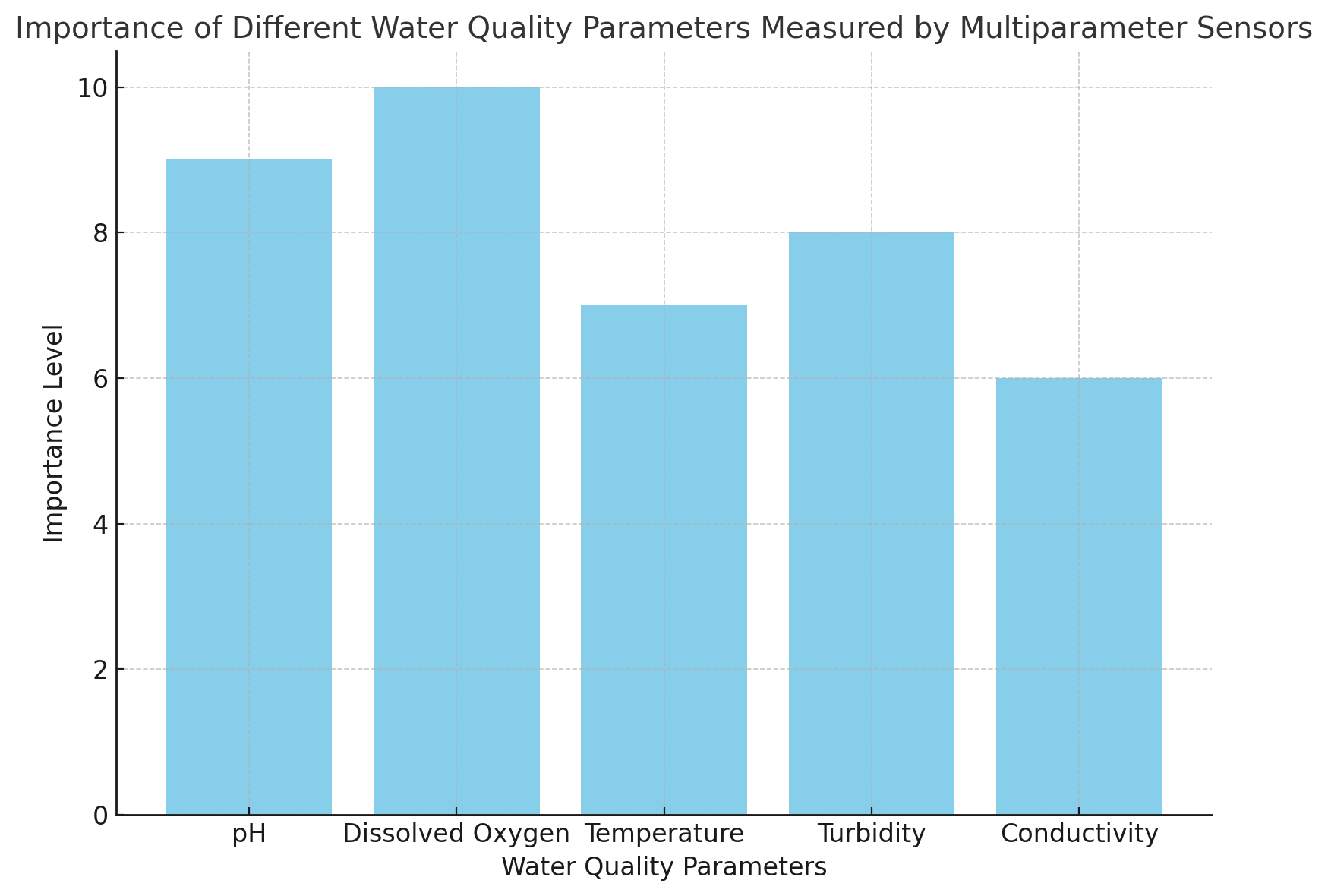
When it comes to measuring pH, various types of sensors and probes exist to suit different needs. Understanding these options helps choose the right tool for your specific application, whether in a laboratory, environmental monitoring, or industrial process.
Wireless pH sensors are designed for convenience and flexibility. They transmit data wirelessly to computers, tablets, or smartphones, making real-time monitoring easy, especially in hard-to-reach or outdoor locations. These sensors often feature built-in displays, allowing users to read pH values directly on the device. They are ideal for fieldwork, long-term environmental studies, or situations where running cables is impractical. Many models also include data logging capabilities, storing measurements for later analysis.
Lab pH sensors are typically more precise and durable, suited for controlled laboratory environments. They often come with features like temperature compensation and high accuracy. Portable pH sensors strike a balance—they’re rugged enough for field use but still offer reliable measurements. These devices are often battery-powered, compact, and easy to transport, making them perfect for on-the-go testing at various sites. They usually connect to handheld meters or portable data loggers, providing quick results without sacrificing accuracy.
Ion Selective Electrodes expand the concept of pH measurement to specific ions other than hydrogen. They use specialized membranes that respond selectively to particular ions, like potassium, calcium, or nitrate. This allows scientists and technicians to measure concentrations of specific substances in solutions, essential in environmental testing, medical diagnostics, and industrial processes. ISEs are versatile, often used in tandem with pH sensors to monitor multiple parameters simultaneously.
Choosing the right type depends on your environment, required precision, and whether you need real-time data or long-term monitoring. Wireless sensors excel in outdoor or remote applications, while lab sensors are best for high-accuracy needs. Ion selective electrodes open doors to broader ion analysis beyond just pH, offering a more detailed picture of solution chemistry.
Selecting the right pH measurement tool depends on several key factors. Whether you need a probe or a sensor, understanding these points helps ensure accurate, reliable results suited to your specific application.
Accuracy means how close a measurement is to the true pH value. Precision refers to how consistently the tool delivers the same reading under unchanged conditions. For critical experiments or industrial processes, high accuracy and precision are essential. Choose probes and sensors that offer:
Low measurement error (often ±0.01 to ±0.1 pH units)
Stable readings over time
Good temperature compensation, since pH varies with temperature
Calibration quality also impacts accuracy. Tools that allow easy, frequent calibration with standard buffer solutions help maintain precision.
Handling: Glass probes need gentle treatment to avoid breakage.
Storage: Probes usually must stay moist in a storage solution to keep the glass membrane active.
Cleaning: Residue can affect readings; regular cleaning prevents this.
Calibration: Frequent calibration ensures accuracy but adds to maintenance time.
Battery life: Wireless sensors need power; check battery type and lifespan.
Connector type: Common connectors include BNC or specialized plugs.
Output format: Analog, digital, or wireless data transmission options.
Software support: Compatibility with data logging or analysis software.
Temperature sensors: Built-in or external temperature probes for compensation.
Multiparameter capability: Some sensors support interchangeable electrodes for other measurements.
Calibration ensures pH sensors and probes provide accurate, reliable readings. Over time, factors like electrode aging, contamination, or temperature changes cause measurement drift. Without calibration, data may become misleading, affecting experiments, processes, or quality control. Regular calibration aligns sensor output with known standards, maintaining precision and confidence in results.
Prepare Standard Buffer SolutionsUse fresh, certified buffer solutions with known pH values (commonly pH 4.00, 7.00, and 10.00). These act as reference points.
Rinse the ProbeClean the probe by rinsing it with distilled or deionized water to remove residues from previous samples.
Immerse in First Buffer SolutionPlace the probe in the pH 7.00 buffer. Allow it to stabilize, then adjust the meter reading to match the buffer’s pH.
Rinse and Repeat with Additional BuffersRinse the probe again. Repeat calibration in acidic (pH 4.00) and alkaline (pH 10.00) buffers to ensure accuracy across the measurement range.
Check Temperature CompensationIf your sensor has automatic temperature compensation, ensure the temperature probe is working properly. If manual, input the correct temperature.
Verify CalibrationAfter calibration, test the probe in a different buffer to confirm accuracy.
Keep the Probe MoistStore probes in an appropriate storage solution or pH 4.00 buffer to prevent drying out. Never store dry or in distilled water, which can damage the electrode.
Clean RegularlyClean the glass bulb and junction gently with mild detergent or specialized cleaning solutions. Avoid abrasive materials.
Avoid ContaminationPrevent cross-contamination by rinsing the probe between samples and using dedicated probes for harsh or sticky samples.
Inspect for DamageCheck for cracks, scratches, or electrolyte leakage. Replace probes showing physical damage.
Replace Electrolyte SolutionFor refillable probes, periodically replace the internal electrolyte to maintain proper electrode function.
Calibrate FrequentlyCalibrate before each use or at regular intervals, especially for critical measurements.
Handle CarefullyAvoid dropping or knocking probes, as glass bulbs are fragile.
By following these calibration and maintenance practices, you ensure your pH sensors and probes deliver accurate, reliable data over their lifespan.
Understanding the difference between pH probes and sensors is crucial. Probes detect hydrogen ions, while sensors process and display pH readings. When choosing between them, consider accuracy, ease of use, and compatibility with existing systems. Leadmed Technology offers advanced pH measurement solutions that provide precise and reliable data, enhancing your scientific and industrial processes. Their products are designed to meet diverse needs, ensuring accurate results and efficient operation in various applications.
A: A pH sensor includes the probe and electronics for processing and displaying pH readings, while a pH probe is the detecting element that directly interacts with the solution.
A: Calibration ensures pH sensors provide accurate readings by aligning sensor output with known standards, maintaining precision and reliability.
A: Wireless pH sensors offer convenience and flexibility, enabling real-time data transmission and monitoring in remote or hard-to-reach locations.


