
Views: 0 Author: Site Editor Publish Time: 2025-11-21 Origin: Site

Ever wondered why some water appears crystal clear while other water looks murky? The answer lies in turbidity and Total Suspended Solids (TSS). These two key indicators reveal water clarity and quality. In this post, you'll learn the differences between turbidity and TSS, their impact on water clarity, and the role of TSS sensors in monitoring water quality.
Turbidity is an optical measurement that indicates how clear or cloudy water appears. It reflects the amount of particles suspended in water that scatter or absorb light. When water has many tiny particles like silt, algae, or organic matter, it becomes less transparent. These particles cause the water to look murky or hazy.
To measure turbidity, scientists use specialized devices called turbidimeters. These instruments shine a light through a water sample and detect how much light is scattered or absorbed. The results are expressed in Nephelometric Turbidity Units (NTU) or Formazin Nephelometric Units (FNU). NTU is common when using white light at a 90-degree detection angle, which is EPA-compliant. FNU is used with near-infrared light, following ISO standards.
NTU provides a quick way to assess water clarity. Low NTU values indicate clear water, while high values suggest murkiness. For example, clean tap water usually has NTU less than 1, meaning it's very clear. Water with NTU over 4000 appears milky or opaque. Turbidity measurements are especially useful for detecting changes in water quality caused by runoff, erosion, or algae blooms.
Many factors influence turbidity. Heavy rainfall can wash soil and organic matter into water bodies, increasing NTU. Construction sites, agriculture, and urban runoff often introduce sediments and pollutants, raising turbidity. Algal blooms also contribute to cloudiness, especially in warmer months. Additionally, disturbances like boat traffic or dredging can stir up sediments, temporarily boosting turbidity.
Other elements that affect turbidity readings include particle size, shape, and color. Darker or irregularly shaped particles scatter light differently, which can impact measurement accuracy. That’s why calibration and proper maintenance of turbidity sensors are crucial for reliable data.
Turbidity is a vital water quality parameter, providing a fast, cost-effective way to monitor clarity. It mainly reflects the presence of suspended particles that can harm aquatic ecosystems and affect water treatment processes. Understanding what influences turbidity helps water managers identify pollution sources and take action to protect water resources. Accurate measurement techniques and regular sensor calibration ensure data reliability, making turbidity a key tool in water quality assessment.
Total Suspended Solids (TSS) refers to particles suspended in water that are large enough to be trapped by a filter. These particles include silt, algae, sediment, organic debris, and other solids, both organic and inorganic. Unlike dissolved solids, which pass through filters, TSS represents the actual mass of these particles floating in the water column.
To measure TSS, water samples undergo a filtration process. The sample is passed through a filter, which captures the suspended particles. Then, the filter is dried and weighed. The difference in weight before and after filtration, divided by the sample volume, gives the TSS concentration, usually expressed in milligrams per liter (mg/L) or parts per million (ppm). This process provides a precise measurement of the amount of suspended solids present.
Portable instruments exist for measuring TSS in the field, but they tend to be costly. These devices can be handy for quick assessments but often require careful calibration and maintenance to ensure accuracy.
TSS is a critical indicator of water quality. High concentrations of suspended solids can reduce water clarity, increase water temperature, and lower dissolved oxygen levels. These changes can harm aquatic life, disrupt habitats, and affect photosynthesis by blocking sunlight penetration.
Moreover, suspended solids can carry pollutants like heavy metals, pesticides, and pathogens, posing additional risks to ecosystems and human health. Monitoring TSS helps identify pollution sources such as erosion, runoff, and industrial discharges, enabling better management of water resources.
In wastewater treatment, controlling TSS is essential. Treatment processes aim to remove suspended solids before releasing water back into the environment. Keeping TSS levels low ensures compliance with environmental regulations and protects aquatic ecosystems.
Several factors contribute to elevated TSS levels in water bodies:
Soil erosion: Rainfall or wind can wash soil particles into rivers, lakes, and streams.
Urban runoff: Stormwater from cities often carries sediments, debris, and pollutants.
Agricultural activities: Tilling, irrigation, and livestock can introduce sediments and organic matter.
Algal blooms: Excessive algae growth increases organic suspended solids.
Industrial discharges: Factories may release suspended particles as part of wastewater.
Disturbances: Boat traffic, dredging, and construction near water bodies stir up sediments.
Understanding these sources helps water managers target interventions to reduce TSS and improve water quality.
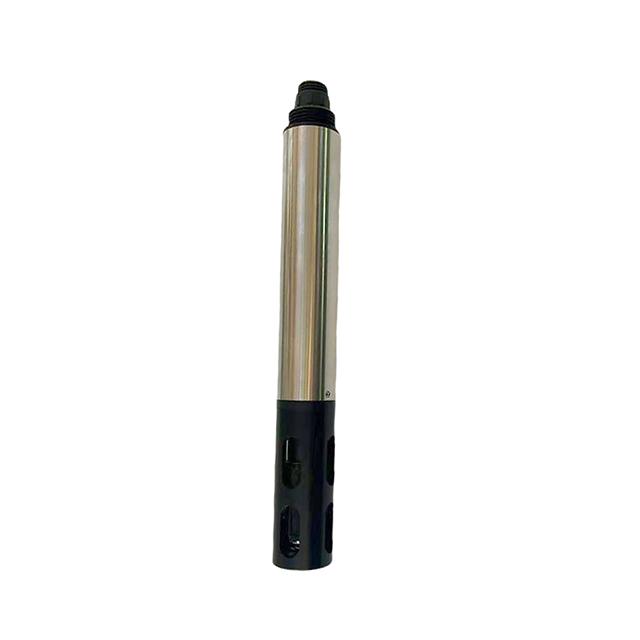
Turbidity and TSS are both indicators of water clarity, but they are measured differently. Turbidity is an optical measurement, which means it assesses how particles in water scatter or absorb light. This is typically done using turbidimeters that shine a light through a water sample and measure the amount of light scattered at a specific angle. Results are expressed in Nephelometric Turbidity Units (NTU) or Formazin Nephelometric Units (FNU). These measurements are quick and can be taken directly in the field, providing real-time data.
In contrast, TSS involves a gravimetric process. A water sample is filtered through a fine mesh, trapping suspended particles. The filter is then dried and weighed to determine the mass of the solids. The concentration is calculated by dividing this weight by the volume of water sampled, usually expressed in mg/L or ppm. This process takes longer and often requires laboratory analysis, though portable TSS meters exist for field use. These devices, like those from Hach, can measure both TSS and turbidity but are more expensive.
Turbidity impacts water quality mainly by indicating the presence of suspended particles that cause cloudiness. High turbidity can block sunlight penetration, affecting aquatic plants and disrupting ecosystems. It can also signal increased levels of pollutants, as particles often carry contaminants like heavy metals or pesticides. Elevated turbidity can lead to higher water temperatures and lower dissolved oxygen levels, stressing aquatic life.
TSS, on the other hand, directly measures the amount of suspended particles. High TSS levels can clog fish gills, reduce habitat quality, and inhibit photosynthesis in aquatic plants. Suspended solids can also transport pollutants, making water unsafe for humans and wildlife. For example, sediment runoff from construction sites can raise TSS, leading to murky water and ecosystem damage.
While turbidity and TSS are related, they do not have a straightforward, linear relationship. High turbidity usually suggests high TSS, but the exact amount depends on particle size, shape, and composition. For example, fine clay particles scatter light differently than larger sediments or organic matter. Therefore, two samples with the same turbidity reading can have different TSS concentrations.
Converting NTU to mg/L TSS is complex and not precise. It requires site-specific calibration, where data from laboratory TSS measurements are correlated with turbidity readings. Without this calibration, estimates can be inaccurate. For example, in some cases, 10 NTU might correspond to 5 mg/L TSS, but in others, it could be 20 mg/L or more. The relationship varies based on particle characteristics and water conditions.
Tip: For accurate water quality assessment, measure turbidity and TSS separately. Use site-specific calibration if you plan to estimate TSS from turbidity data. This ensures more reliable results for environmental monitoring or treatment processes.
Turbidity and Total Suspended Solids (TSS) measurements play crucial roles in water treatment. Operators use turbidity to monitor how clear water is before and after treatment steps. High turbidity often signals the presence of particles that need removal to ensure safe drinking water. For example, filtration and coagulation processes target reducing turbidity and suspended solids to meet regulatory standards.
TSS measurements help quantify how much solid material remains in water after treatment. Wastewater plants rely on TSS data to check the efficiency of sedimentation and filtration units. Keeping TSS levels low before discharge protects aquatic ecosystems and prevents regulatory violations. In industrial water treatment, controlling TSS prevents equipment fouling and maintains process efficiency.
Environmental scientists use turbidity and TSS to assess the health of natural water bodies. Both parameters indicate sediment runoff, erosion, and pollution levels. For instance, after heavy rainfall, turbidity spikes can reveal increased sediment flow into rivers or lakes. TSS measurements provide detailed data on the amount of solids suspended, which helps evaluate sediment transport and deposition.
Monitoring turbidity and TSS over time supports tracking changes caused by human activities or natural events. This information guides conservation efforts, such as controlling erosion or managing stormwater runoff. Agencies often set turbidity and TSS thresholds to protect fish habitats and maintain water quality for recreational use.
Industries use turbidity and TSS measurements to safeguard water quality in various processes. In manufacturing, high suspended solids can clog pipes and damage equipment. Regular monitoring helps prevent downtime and costly repairs. Turbidity sensors provide quick field checks, while TSS tests offer precise quantification for process control.
Mining operations monitor turbidity and TSS to manage sediment-laden runoff and avoid environmental fines. Similarly, aquaculture facilities track these parameters to maintain healthy water conditions for fish growth. In food and beverage production, controlling suspended solids ensures product quality and compliance with hygiene standards.
Turbidity and TSS are both measures of water clarity, but they use different methods. Turbidity is an optical measurement that assesses how particles in water scatter or absorb light. It’s typically measured with a device called a turbidimeter, which shines a light through a water sample. The instrument then detects how much light is scattered at a specific angle, usually 90 degrees. Results are expressed in Nephelometric Turbidity Units (NTU) or Formazin Nephelometric Units (FNU). These measurements are quick, can be performed directly in the field, and give real-time data.
On the other hand, TSS involves a gravimetric process. A water sample is filtered through a fine filter that traps suspended particles. The filter is then dried and weighed. The difference in weight before and after filtration indicates the amount of suspended solids. This process is more time-consuming and often requires laboratory analysis, though portable TSS meters are available for field use. These devices, such as those made by Hach, can measure both TSS and turbidity but tend to be more expensive.
Turbidity mainly indicates how clear or murky water appears, which relates to the presence of suspended particles like silt, algae, or organic matter. High turbidity values suggest more particles, leading to less light passing through water. This can affect aquatic plants, reduce oxygen levels, and increase water temperature. Elevated turbidity can also signal pollution sources like runoff, erosion, or algae blooms.
TSS measures the actual mass of particles suspended in water. High TSS levels can physically clog fish gills, reduce habitat quality, and block sunlight needed for photosynthesis. Suspended solids often carry pollutants such as heavy metals, pesticides, or pathogens, posing risks to ecosystems and human health. For example, sediment runoff from construction sites can significantly increase TSS, leading to murky water and ecosystem damage.
Though turbidity and TSS are related, they do not have a straightforward, linear relationship. High turbidity usually suggests high TSS, but the exact amount depends on particle size, shape, and composition. Fine clay particles scatter light differently than larger sediments or organic matter, making the correlation complex.
Converting NTU to mg/L TSS is challenging. No universal formula exists because the relationship varies by site and water conditions. To estimate TSS from turbidity, you need site-specific calibration data. This involves measuring both parameters at multiple points to establish a correlation. Without this calibration, estimates can be inaccurate. For example, 10 NTU might correspond to anywhere from 5 to 20 mg/L TSS depending on the water’s particle makeup.
Tip: For accurate water quality assessment, measure turbidity and TSS separately. Use site-specific calibration if estimating TSS from turbidity data. This approach ensures more reliable results for environmental monitoring or treatment operations.
Accurate measurements of turbidity and TSS depend heavily on proper calibration and regular maintenance of instruments. Over time, sensors can drift, and their optical components may become dirty or misaligned. For turbidity sensors, calibration standards must be periodically checked against known reference solutions to ensure readings stay accurate. Likewise, TSS devices, especially portable gravimetric analyzers, require calibration with standard samples to maintain precision. Neglecting calibration can lead to significant errors, misrepresenting water quality. Regular cleaning of sensor surfaces, especially optical windows, prevents buildup of sediments or biofilms that can interfere with light transmission or detection. Scheduled maintenance routines, including calibration checks, cleaning, and part replacements, are essential for reliable data collection.
Both turbidity and TSS measurements face potential interferences that can distort results. Turbidity readings are sensitive to particle size, shape, and color. Organic matter, algae, or fine sediments can scatter light differently, causing either overestimation or underestimation of turbidity. For example, dark-colored particles absorb light, leading to lower turbidity readings than actual particle concentrations suggest. Similarly, TSS measurements can be affected by particle aggregation or the presence of very fine particles that pass through filters, causing underestimation. Conversely, particles that settle quickly or stick to filter surfaces can cause inconsistent results. External factors like temperature fluctuations, electrical noise, or sample handling errors also contribute to inaccuracies. Recognizing these interferences helps in selecting appropriate measurement techniques and interpreting data correctly.
To ensure the highest accuracy in turbidity and TSS measurements, follow these best practices:
Calibrate instruments regularly using manufacturer-approved standards suited for your specific sensors.
Clean sensors thoroughly before each measurement to remove sediments, biofilms, or other residues.
Use consistent sampling procedures, including proper sample collection, mixing, and handling.
Perform measurements in controlled conditions when possible, avoiding extreme temperatures or direct sunlight.
Record environmental parameters like temperature and pH, which can influence readings.
Implement quality control checks, such as measuring known standards or duplicate samples, to verify accuracy.
Train personnel on proper operation, calibration, and maintenance procedures to minimize human error.
Document all calibration and maintenance activities for traceability and troubleshooting.
By adhering to these practices, water professionals can significantly reduce measurement errors, ensuring data accurately reflects water quality. Reliable data supports better decision-making, whether for treatment processes, environmental monitoring, or industrial applications.
Turbidity and Total Suspended Solids (TSS) are crucial for assessing water clarity and quality. Turbidity measures light scattering by particles, while TSS quantifies suspended particles' mass. Proper calibration and maintenance ensure accurate readings. Future water quality monitoring will likely focus on advanced technologies for precision. Understanding these differences aids in effective water management. Leadmed Technology offers innovative solutions for accurate water quality measurements, enhancing environmental protection and industrial processes.
A: Turbidity measures light scattering by particles, while TSS quantifies actual suspended solids mass. A TSS Sensor provides precise suspended solids data.
A: A TSS Sensor measures suspended solids, ensuring compliance with regulations and protecting ecosystems by optimizing treatment processes.
A: Regular calibration ensures a TSS Sensor provides accurate data, crucial for monitoring water quality and making informed decisions.


